
Astrocaryum aculeatissimum
Astrocaryum aculeatissimum
Description
Growing requirements
Astrocaryum aculeatissimum is a perennial palm species in the Arecaceae family, native to the Atlantic forest regions of Brazil.
This crop thrives in tropical climates, requiring consistent temperatures between 22°C and 28°C and protection from any frost or temperature drops.
Soil requirements include well-draining, nutrient-rich substrates, preferably sandy or loamy textures that allow for good root system development.
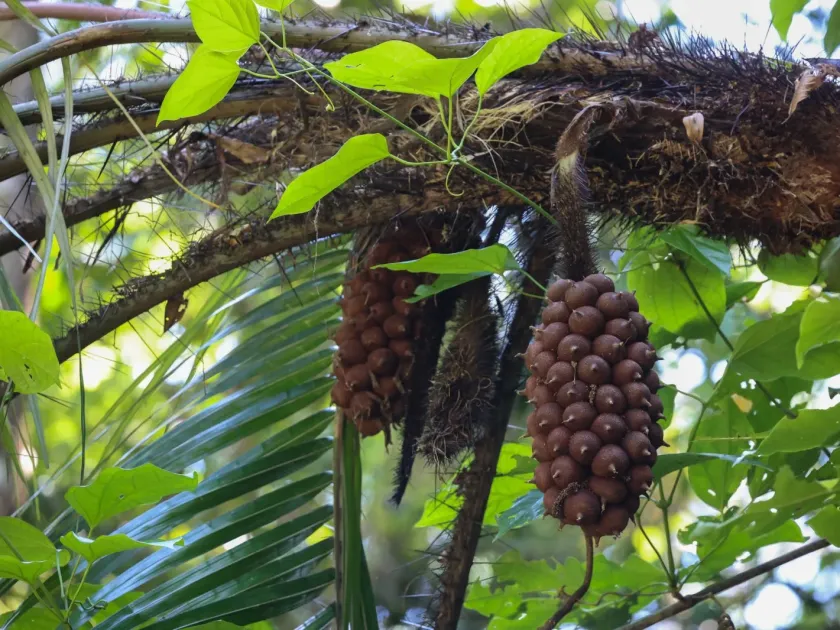
The plant is famously characterized by a single, straight trunk covered in dense, sharp spines that can measure up to 10 centimeters in length.
Successful cultivation requires regular irrigation, adequate air humidity, and organic mulching to maintain soil moisture during the drier seasons of the year.
Yield
The primary economic output of this palm is its fruit, which contains oil-rich kernels and pulp used in various industrial applications.
The oil derived from Astrocaryum is valued for its specific fatty acid profile, making it a sustainable alternative in cosmetics and food processing.
Productivity reaches its peak in mature specimens, which, under optimal agro-climatic conditions, can provide consistent annual yields.
Beyond oil, the fibrous material of the leaves and trunk serves as a valuable resource for local handicraft industries and construction.
Economic potential of this crop is significant, especially when integrated into agroforestry systems that promote biodiversity and sustainable land use.
Main diseases and pests
Root rot caused by fungal pathogens is the most common threat, usually triggered by poor drainage or waterlogging in the growing area.
Wood-boring insects present a serious risk to the structural integrity of the palm, requiring careful monitoring and preventive management strategies.
Sanitation practices, such as clearing fallen debris and maintaining proper spacing between plants, are essential to reduce disease transmission.
Early-stage weed control is vital to ensure that young palms receive adequate sunlight and nutrients, preventing competition from aggressive ground cover.
Integrated pest management, focusing on biological controls rather than chemical pesticides, is recommended to maintain the long-term health of the plantation.
Harvesting
Harvesting is a delicate operation due to the sharp, defensive spines on the tree, necessitating the use of specialized protective gear for workers.
The optimal time for harvest is determined by the fruit's color shift, which indicates the maximum concentration of oil within the pulp and kernels.
After being detached from the tree, the clusters must be handled gently to avoid physical damage that could accelerate spoilage of the oily fruit tissue.
Immediate post-harvest processing is required to extract the kernels before the fruits degrade, ensuring the highest possible oil quality for export.
Efficient supply chain management, from the field to the extraction facility, is crucial to preserving the chemical stability of the valuable fatty acids.