
Astelia nervosa x Astelia nivicola
Astelia nervosa x Astelia nivicola
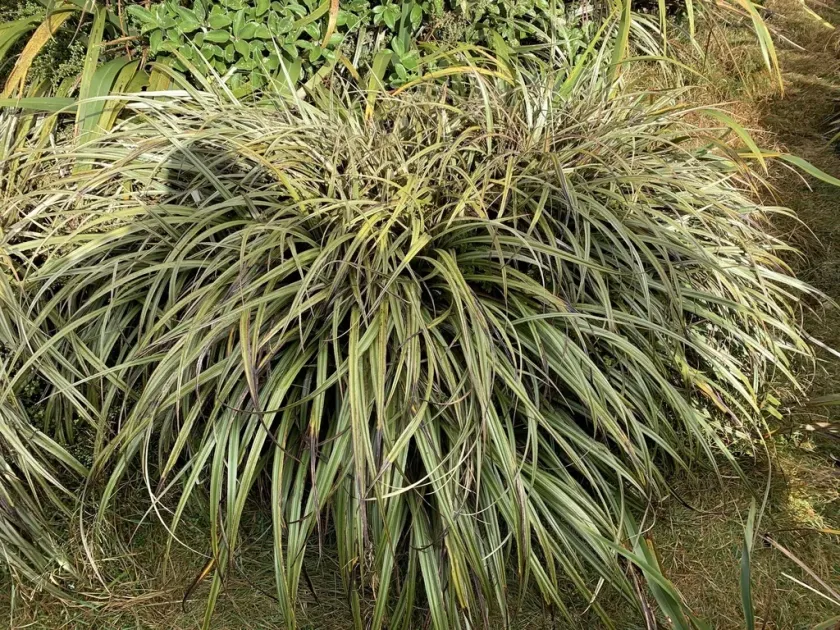
Description
Growing requirements
Astelia nervosa x Astelia nivicola is a robust perennial hybrid belonging to the Asteliaceae family. It is highly valued for its striking, sword-shaped foliage which creates a sophisticated architectural form in garden landscapes.
Native to the subalpine regions of New Zealand, this plant thrives in environments that mimic its natural habitat. It prefers cool, temperate climates and demonstrates a preference for high air humidity levels throughout the year.
The cultivation requirements focus heavily on soil structure. A well-draining, acidic to neutral soil mix is essential to prevent root rot. Incorporating grit or pumice into the potting medium ensures the necessary aeration for root health.
Regarding light, these plants perform best in partial shade. While they can tolerate some morning sun, full exposure during the afternoon in hot climates can damage their foliage, leading to bleaching or scorching.
Agricultural management includes consistent watering during the growing season while ensuring the soil dries out slightly between waterings. Fertilization should be kept minimal, utilizing slow-release granular organic fertilizers during early spring.
Main diseases and pests
The most common disease threat is root and crown rot, primarily caused by waterlogged soil conditions. Ensuring a perfect drainage system is the primary preventative measure for home gardeners.
Pests such as mealybugs can hide in the base of the leaves, where the foliage overlaps. Regular inspection of the leaf axils is recommended to catch infestations before they spread significantly.
Slugs and snails can cause cosmetic damage to the leaf edges. Using copper tape barriers or eco-friendly slug baits around the base of the plant is an effective way to manage these pests.
Fungal leaf spots can occur if the foliage remains wet for extended periods in stagnant air conditions. Improving airflow around the plant canopy is crucial to minimize the risk of such pathogens.
Environmental stress, particularly frost in regions not native to the plant, can damage the tissue. Providing a protective layer of organic mulch around the crown can help mitigate temperature fluctuations during winter.