
Astelia skottsbergii
Astelia skottsbergii
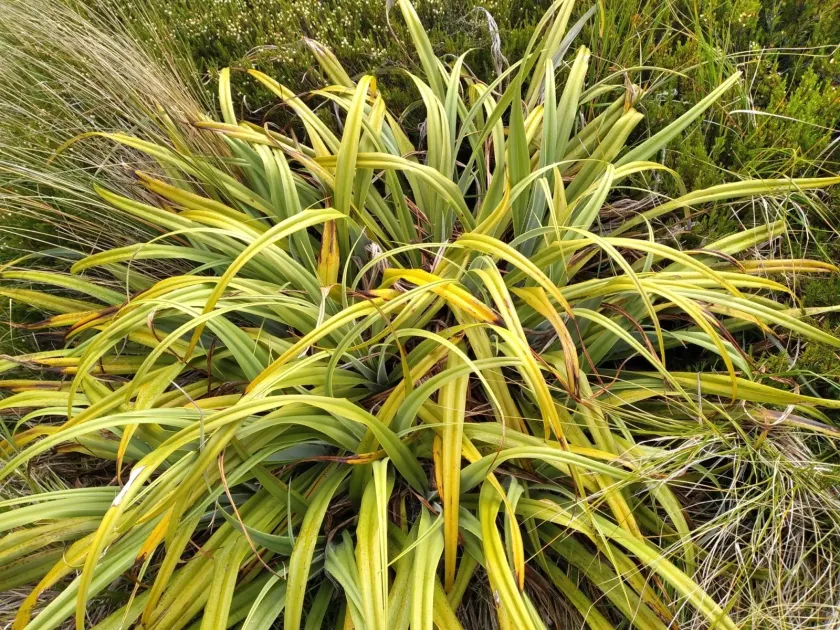
Description
Growing requirements
Astelia skottsbergii is a perennial herbaceous plant belonging to the Asteliaceae family. Native to the subantarctic regions, including Tierra del Fuego and the Falkland Islands, it has evolved to thrive in harsh, cold, and wet environments.
The plant features a distinctive basal rosette of tough, sword-shaped leaves covered in a silvery indumentum. This morphological trait is an evolutionary adaptation that helps the plant retain moisture and withstand intense, drying winds typical of its natural habitat.
Cultivation requirements for this species focus on maintaining high soil acidity and moisture levels. The growing medium should be well-draining yet capable of holding significant water, mimicking the natural peat bogs where it originates.
Regarding climate, Astelia skottsbergii demands cool temperatures and consistent moisture throughout the year. It does not tolerate extreme heat or prolonged drought, which can lead to rapid physiological decline.
Its хозяйственное use is primarily centered on botanical conservation and specialized landscape architecture in colder climates, where its unique structural form serves as an architectural element in garden design.
Main diseases and pests
The primary threats to the health of Astelia skottsbergii are fungal pathogens that proliferate in waterlogged conditions with poor airflow. Root rot and leaf spot diseases are common issues if drainage is inadequate.
Pest pressure is relatively low but can include slugs and snails, especially in humid and cool environments. These mollusks target the succulent bases of the leaves, which can lead to secondary bacterial infections.
Agricultural management must prioritize preventive measures, such as maintaining adequate space between individual plants to ensure proper aeration of the foliage.
Application of fungicides may be necessary during periods of high humidity if leaf spots appear, though environmental management remains the most effective control method.
As a slow-growing species, recovery from severe infestation is difficult. Therefore, monitoring the plant's condition during the peak growth season is essential for long-term health and survival.