
Astelia
Astelia chathamica x Astelia nervosa
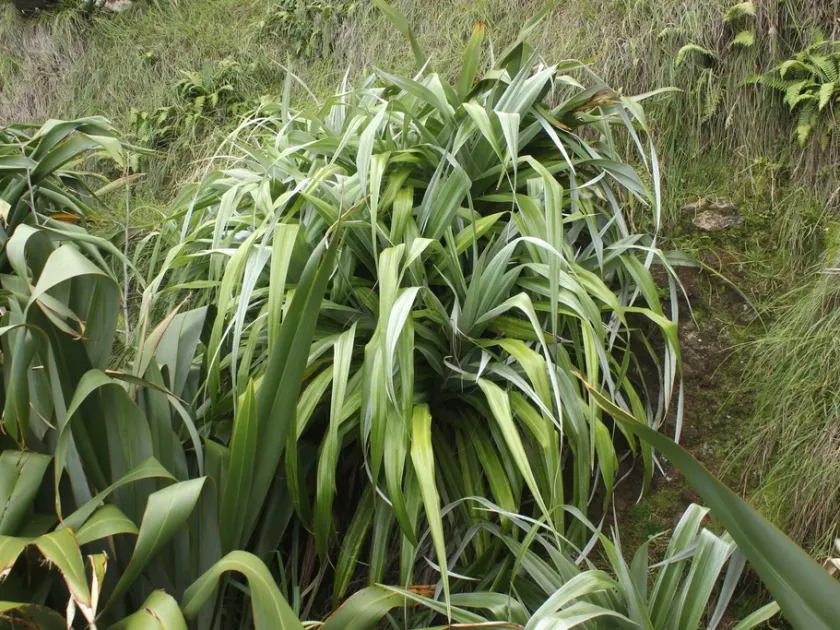
Description
Growing requirements
The optimal temperature for Astelia ranges between 15°C and 25°C. While it is hardy in temperate regions, it requires protection from severe frosts and extreme heat waves, which can damage its foliage.
High relative humidity is essential for this species. In indoor or conservatory settings, regular misting or the use of humidifiers is recommended to prevent the leaf tips from drying out.
The soil substrate must be porous and aerated. A mix of peat, compost, and coarse sand or perlite works best to ensure that the root system receives sufficient oxygen without suffering from waterlogging.
Maintenance involves consistent watering. The substrate should be kept moist but never saturated. During the dormant winter season, irrigation frequency should be reduced significantly to allow the soil surface to dry slightly.
Fertilization should be applied sparingly during the growing season using a balanced liquid feed. Over-fertilization can lead to weak, elongated growth that detracts from the plant's natural compact shape.
Main diseases and pests
Root rot, driven by stagnant water and poor soil aeration, is the primary pathological threat. Preventing soil saturation is the most effective way to avoid the development of fungal pathogens.
Common pests include mealybugs and scale insects, which typically harbor in the tight crevices of the leaf bases. Regular monitoring and the application of horticultural oils or systemic insecticides help manage these populations.
Slugs and snails can cause significant cosmetic damage, particularly in humid garden beds. Barrier methods, such as crushed eggshells or copper tape, are often used as a mechanical deterrent.
Nutrient deficiencies often manifest as leaf yellowing (chlorosis). Checking the pH level of the growing medium is critical, as an incorrect pH can block the uptake of essential micronutrients like iron.
Regular sanitation—removing dead or decaying leaf tissue from the center of the rosette—is a vital agronomic practice that improves air circulation and discourages fungal and pest outbreaks.