
Astelia petriei
Astelia petriei
Description
Growing requirements
Astelia petriei is a perennial herbaceous plant belonging to the Asteliaceae family. In its natural habitat, this species is endemic to New Zealand, primarily found in the high-alpine and sub-alpine zones of the South Island.
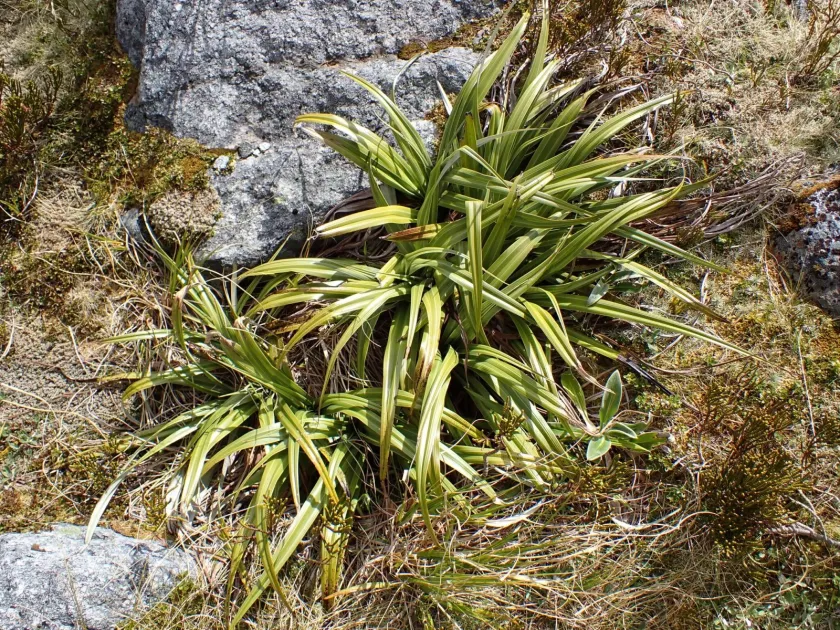
Botanically, the plant forms a dense rosette of narrow, leathery leaves covered with silvery hairs, giving it a distinctive metallic sheen. The root system is shallow, specifically adapted for survival in rocky or moist peat substrates under harsh mountain conditions.
This crop has specific requirements regarding moisture and light levels. It thrives in cool climates with rich, humus-based, well-drained but consistently moist soils. Cultivation practices must focus on avoiding root overheating and waterlogging, which can easily trigger rosette rot.
The plant exhibits high cold tolerance, allowing it to survive in high-altitude environments characterized by strong winds and snow cover. However, in garden settings, it requires protection from intense, direct sunlight, which can scorch the delicate silvery leaf tissues.
The economic value of Astelia petriei is primarily limited to landscaping and ornamental horticulture. It is highly prized for its unique leaf texture and color, making it an excellent focal point in rock gardens, alpine displays, and specialized compositions that mimic natural mountain ecosystems.
Main diseases and pests
The primary threats to this plant are fungal diseases, which arise from poor air circulation and excessive moisture in the substrate. Root rot represents the most significant threat, capable of destroying a rosette within a short period.
Regarding pests, slugs and snails pose the greatest danger as they readily feed on the succulent leaves under humid conditions. To protect the plantings, it is recommended to employ mechanical barriers or use appropriate mollusks control agents.