
Astelia nivicola
Astelia nivicola
Description
Sowing dates
Propagation of Astelia nivicola in cultivation is most commonly achieved through rhizome division or by sowing seeds in a controlled environment. The optimal time for sowing is early spring when daylight hours begin to increase significantly.
Seeds require stratification to improve germination rates, so it is recommended to sow them in substrate in the autumn or keep them in cold conditions before planting. Germination is slow, making it essential to maintain constant moisture in the soil mix.
For vegetative propagation, divisions should be planted during the active growth period, avoiding peak summer heat. It is crucial to allow the divisions sufficient time to establish a root system before the onset of the first frost.
Planting holes must be prepared in advance to ensure adequate drainage and aeration for the root system during the initial weeks. The crop is sensitive to root disturbance, so transplanting should be handled with extreme care.
Using container cultivation allows for better control over planting dates and ensures optimal conditions for the plant during its early stages of development.
Growing requirements
Astelia nivicola is a high-altitude perennial belonging to the Asteliaceae family, naturally found in the subalpine and alpine zones of New Zealand. It is adapted to harsh climatic conditions, high wind loads, and intense solar radiation.
The crop prefers well-drained, acidic to neutral soils with a high organic matter content. Waterlogging is fatal to the root system, so installing a high-quality drainage layer is mandatory when planting in heavy soils.
For successful growth, the plant requires cool and humid air, making it challenging to grow in regions with hot, dry summers. In intense sun conditions, Astelia may require partial shading to prevent leaf burns.
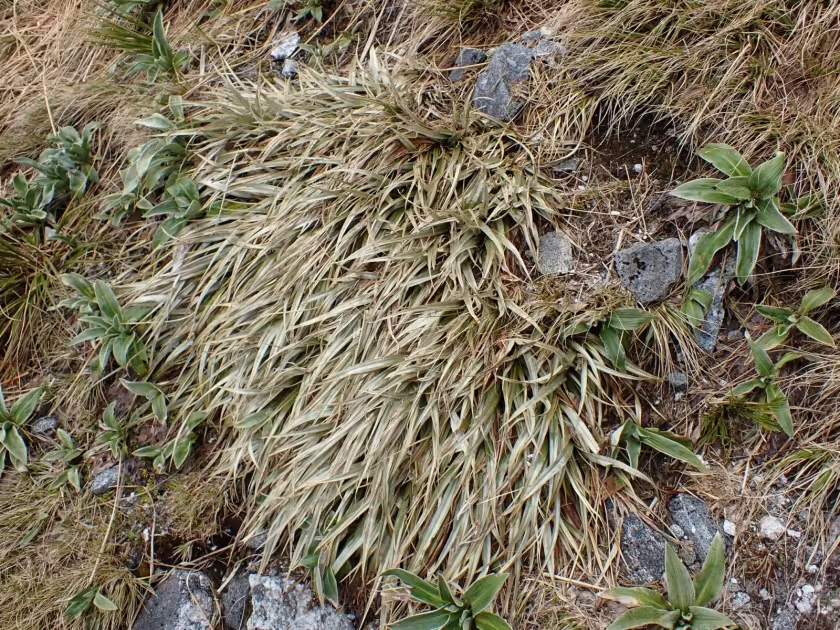
The plant has a distinct rosette form with stiff, silvery, or bronze leaves covered with a scaly coating. This feature helps the culture retain moisture and protect itself from the dehydrating effects of the wind.
Fertilization should be moderate, using low-phosphorus fertilizers, as the plant is naturally accustomed to nutrient-poor substrates in its native habitat.
Main diseases and pests
The primary threat to Astelia nivicola is root rot, caused by pathogenic fungi in conditions of waterlogging or poor soil aeration. Damage manifests as darkening of the leaf base and overall growth inhibition.
Among pests, slugs and snails pose the greatest risk, as they damage the young and delicate tissues in the center of the leaf rosette. Their presence is particularly dangerous during wet seasons.
In greenhouses or environments with insufficient ventilation, spider mites can infest the plant, sucking sap from the tissues and leading to a loss of aesthetic appeal and leaf yellowing.
To protect against pests, regular plant inspections and the use of biological control methods are recommended. Chemical pesticides should be used sparingly due to the plant's sensitivity to their chemical composition.
- Maintaining optimal irrigation cycles to prevent fungal infections.
- Regular cleaning of the planting site to remove debris and reduce pest populations.
- Using gravel mulching around the root collar to protect against decay.