
Astelia linearis
Astelia linearis
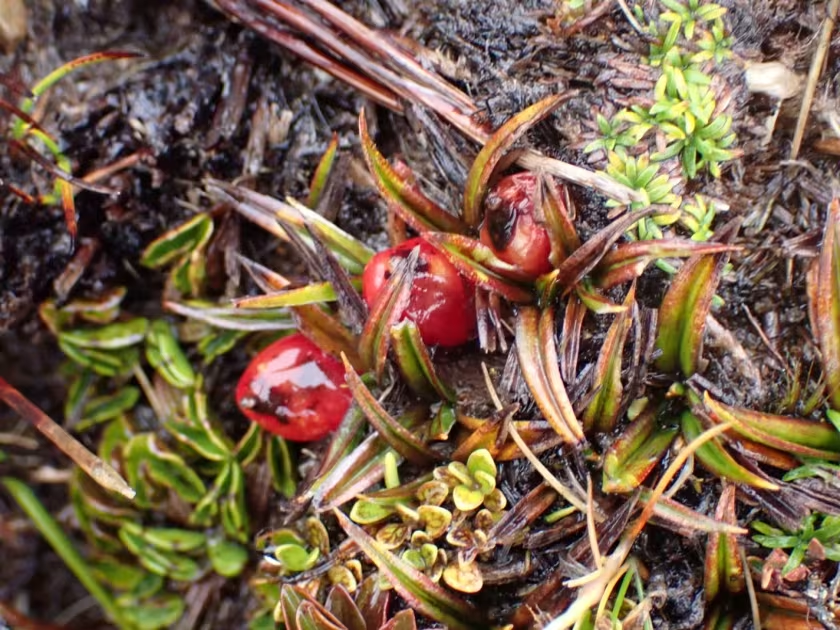
Description
Growing requirements
Astelia linearis is a perennial herbaceous plant belonging to the Asteliaceae family. Native to the subalpine and alpine zones of New Zealand, it is highly adapted to cooler, high-altitude climates.
The plant exhibits a distinct botanical structure, forming dense, grass-like cushions. Its foliage is narrow, rigid, and evergreen, making it a visually striking specimen for specialized gardens.
Success in cultivation depends on simulating its natural mountain habitat. This requires a cool, humid atmosphere and soil that is consistently moist but possesses excellent drainage capabilities.
The species thrives in acidic, organic-rich soils. It is vital to avoid heavy soils that compact easily, as the roots require good aeration to function properly and maintain health.
While often treated as an ornamental, its specific climate requirements mean that in cultivation it is best suited for alpine houses, rock gardens, or temperate nurseries with controlled humidity.
Main diseases and pests
Root rot is the most significant threat to Astelia linearis, typically induced by waterlogged soil conditions or poor drainage in the container or planting site.
Fungal pathogens can thrive if air circulation around the dense foliage is restricted, leading to leaf spotting and potential collapse of the plant base.
Spider mites are common pests that may infest the plant during periods of prolonged dryness, necessitating misting or physical removal to control populations.
High temperatures combined with low humidity can cause heat stress, resulting in scorched leaf tips and a general decline in the plant's structural integrity.
Prevention involves maintaining cool temperatures and ensuring the substrate never fully dries out while avoiding the buildup of stagnant water around the crown.