
Astelia grandis
Astelia grandis
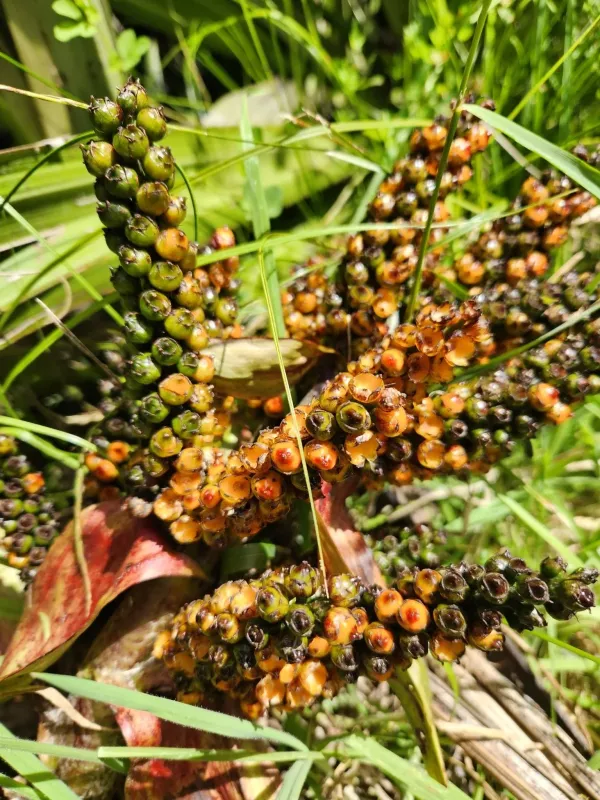
Description
Growing requirements
Astelia grandis is a perennial herbaceous plant belonging to the Asteliaceae family. Native to the mountainous regions of New Zealand, this plant has adapted to cool, moist environments, often thriving in high-altitude forests and sub-alpine meadow ecosystems.
Botanically, it is characterized by its large, arching, sword-shaped leaves arranged in a dense basal rosette. The foliage is typically covered in fine, silvery hairs, which serve as a protective mechanism against both excessive transpiration and high solar radiation in its natural habitat.
For successful cultivation, the species requires highly permeable, organic-rich soil that ensures efficient drainage. While it needs consistent soil moisture, standing water is detrimental to its root health and must be strictly avoided to prevent physiological decline.
Climate-wise, Astelia grandis performs best in regions with mild temperatures and high atmospheric humidity. It is sensitive to extreme heat and prolonged dry spells, making it an ideal candidate for greenhouse cultivation or sheltered gardens in oceanic climates.
The primary horticultural use of this plant is as a structural element in landscape design. Its distinctive form and metallic foliage color make it a sought-after choice for botanical collections, interior landscaping, and shaded garden areas that require a sophisticated visual accent.
Main diseases and pests
The most significant threats to Astelia grandis are fungal diseases related to poor airflow and soil saturation. Root rot and leaf spotting are common occurrences when environmental management fails, leading to potential structural damage to the rosette.
Pest pressures are generally manageable but include common indoor threats like spider mites and scale insects. Maintaining optimal humidity levels and regular monitoring of leaf surfaces are essential preventative measures to keep the plant in a vigorous, disease-free state.