
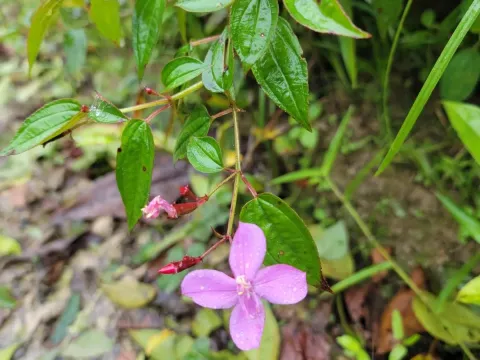
Arthrostemma
Arthrostemma
Arthrostemma is a genus of flowering plants belonging to the family Melastomataceae. These plants are characterized by their delicate morphology and striking flowers, which typically feature vibrant colors and specific structural traits common to the family, such as prominent venation in the leaves.
What the section contains

Arthrostemma
The genus originates from the tropical regions of the Americas, spanning across Central and South America. In their natural habitat, they flourish in humid, shaded environments such as forest edges and riverbanks, where they benefit from a consistent supply of moisture and nutrient-rich soils.
Botanically, Arthrostemma species are often herbaceous perennials or subshrubs. Their foliage is usually opposite, and the architecture of the inflorescences makes them attractive subjects for botanical displays, emphasizing the unique beauty of neotropical flora.
Regarding climatic requirements, Arthrostemma is strictly a tropical crop. It demands high humidity and temperatures between 20°C and 25°C to maintain healthy growth. In non-tropical regions, it must be cultivated in climate-controlled greenhouses or conservatories to survive.
The soil for cultivation must be well-draining, porous, and rich in organic matter. A peat-based medium supplemented with perlite or vermiculite is usually sufficient to support their root systems while preventing the common issue of waterlogging that can lead to rapid decay.
Common pests affecting Arthrostemma in greenhouse conditions include spider mites and mealybugs. Due to the plant's preference for high humidity, the lack of air circulation in enclosed spaces can lead to rapid outbreaks of these pests, necessitating consistent monitoring.
Fungal pathogens represent a significant threat to the overall health of the plant, especially when soil moisture is not managed correctly. Root rot caused by overwatering is the primary cause of mortality in cultivated populations, requiring strict adherence to proper irrigation cycles.