
Arthrostemma fragile
Arthrostemma fragile
Description
Growing requirements
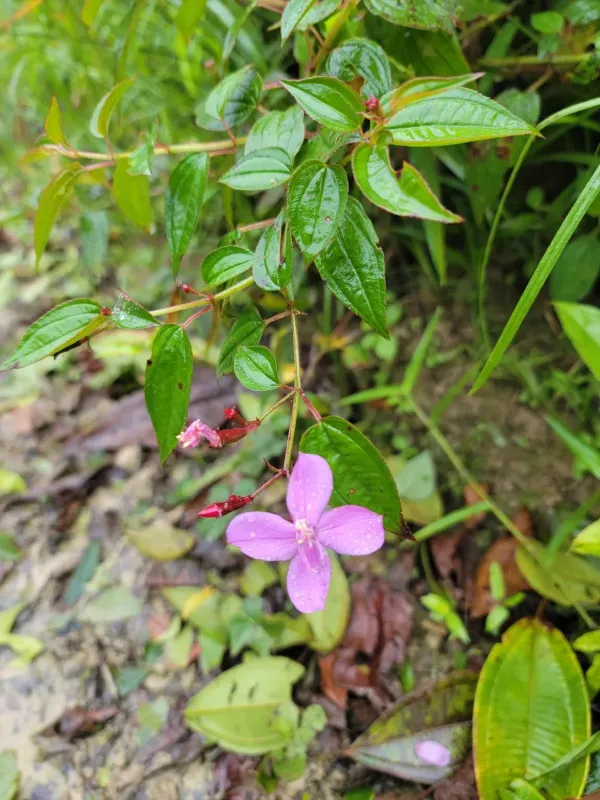
Arthrostemma fragile is a herbaceous plant species belonging to the Melastomataceae family. This plant is primarily native to the tropical regions of the Americas, where it thrives in moist understory environments and forest edges.
The cultivation of this species requires well-drained, nutrient-rich soil high in organic matter. Maintaining consistent soil moisture levels is critical for its health, though producers must be careful to avoid waterlogging the roots, which can lead to quick decline.
Light requirements for Arthrostemma fragile include exposure to bright, filtered sunlight. Direct exposure to intense midday sun is typically harmful and can cause significant foliage damage, necessitating the use of shade cloth in greenhouse settings.
The plant performs best under warm, stable temperature conditions, generally between 20°C and 25°C. It is highly sensitive to cold drafts and rapid temperature fluctuations, which can cause its characteristically fragile stems to break or wither.
In terms of usage, this plant is primarily valued for its ornamental appeal in botanical collections and high-end horticulture. Its delicate aesthetic makes it a popular choice for conservatory displays and indoor landscape design.
Main diseases and pests
Pest management for Arthrostemma fragile focuses largely on controlling mites and mealybugs, which are the most common pests in controlled environments. These pests thrive in dry conditions and can rapidly debilitate the foliage.
Fungal infections, particularly root rot, are often linked to improper irrigation practices. Poor drainage coupled with excessive watering creates an environment where pathogens can flourish and compromise the plant’s internal transport system.
Proactive protection involves regular inspection of the plants and the maintenance of appropriate ventilation. Proper airflow helps to keep the foliage dry and limits the survival rates of many common fungal and bacterial pathogens.
When chemical treatments are necessary, growers should prioritize specific miticides and fungicides designed for sensitive ornamental foliage to avoid leaf burn. It is always recommended to test any treatment on a small sample first.
Given the brittle nature of the stems, physical handling must be minimized during maintenance tasks. Proper hygiene, such as disinfecting pruning tools, is essential to prevent the spread of diseases during routine trimming or propagation work.