
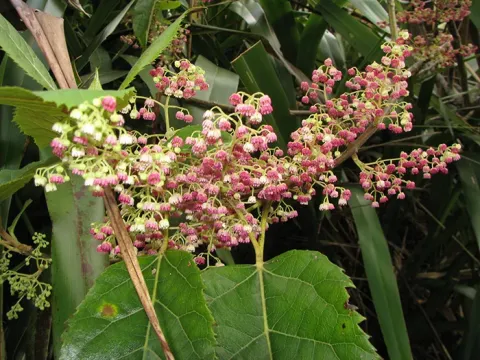
Aristotelia
Aristotelia
Aristotelia chilensis, commonly known as the Maqui berry, belongs to the Elaeocarpaceae family. This evergreen shrub is native to the temperate rainforests of Chile and Argentina, where it thrives in high-humidity environments with mild temperatures.
What the section contains


Aristotelia
The successful cultivation of Aristotelia requires deep, fertile, and well-drained soils. The plant is sensitive to waterlogging, so soil structure must be managed carefully to ensure adequate oxygen reaches the root system throughout the growing season.
A crucial biological feature of this culture is its dioecious nature, meaning the plant has separate male and female individuals. Agricultural success depends on the strategic interplanting of both sexes within the orchard to ensure natural pollination by wind or insects.
Cultural practices include consistent irrigation during the fruit-set period and protection from frost, which can severely damage young foliage. Pruning is typically performed to maintain a manageable shape and encourage higher fruit density on the lateral branches.
The economic value of Aristotelia is driven by the global demand for its berries, which are recognized for their intense antioxidant content. They are primarily processed into concentrates, powders, and extracts for use in functional food and dietary supplement markets.
The harvest season for Aristotelia berries is relatively short and labor-intensive. Farmers pick the ripe fruit by hand to prevent bruising, ensuring that the final product maintains high quality for either fresh market consumption or immediate industrial processing.