
Aristotelia peduncularis
Aristotelia peduncularis
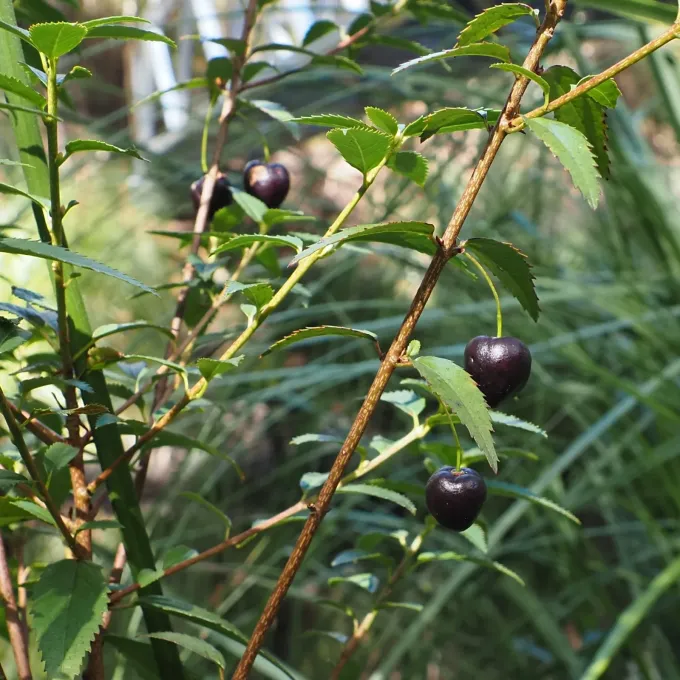
Description
Growing requirements
Aristotelia peduncularis, commonly known as the heartberry, is an evergreen shrub belonging to the Elaeocarpaceae family. It is native to the cool, temperate rainforests of Tasmania, which dictates its specific environmental preferences for growth.
The plant thrives in sheltered, shaded locations with high atmospheric humidity. It is sensitive to drought and high temperatures, necessitating the use of irrigation systems and shading structures when cultivated in environments outside of its native range.
Soil requirements involve organic-rich, slightly acidic substrates with excellent drainage. Waterlogging is detrimental to the root system, so it is essential to ensure that the soil medium remains aerated and does not hold excessive moisture for prolonged periods.
Optimal climatic conditions for this crop are mild and consistent. The plant performs best in regions characterized by a maritime climate, avoiding both severe frosts and extreme summer heat, which can stress the plant and reduce its vigor.
In terms of economic potential, the heartberry is primarily grown for its edible fruits and ornamental value. Its cultivation is currently niche, often appealing to specialty berry growers who focus on unique, exotic plant species with high-quality, flavorful produce.
Main diseases and pests
The primary threats to Aristotelia peduncularis involve fungal infections, which are often triggered by high humidity and poor soil drainage. Root rot is a significant concern that can rapidly compromise the health of the shrub.
Common pests include aphids and spider mites, which feed on the sap of the leaves and stems. Regular inspection and maintaining appropriate environmental conditions are the most effective ways to mitigate the risk of pest outbreaks.
Sanitation is a vital aspect of disease prevention. Removing dead or infected foliage helps reduce the load of pathogens in the orchard, preventing the spread of diseases during wet or humid weather conditions.
While chemical controls can be used, they must be applied with caution to avoid residues on the fruits. Integrated Pest Management (IPM) strategies, including biological control, are generally preferred to maintain the ecological balance of the plantation.
Finally, maintaining optimal plant spacing ensures good airflow throughout the canopy. This simple agronomic practice is effective in reducing the prevalence of many leaf-spotting fungi and other humidity-related pathogens.
Harvesting
Harvesting Aristotelia peduncularis requires careful attention to fruit maturity. The berries are typically hand-picked to avoid damaging the delicate fruit skin and the shrub's structure, ensuring the quality of the harvested yield remains high.
The harvest season generally follows the flowering period, with fruits ripening gradually. Multiple pickings are often necessary to collect the entire yield at the peak of ripeness, as berries on the same bush may not mature simultaneously.
Post-harvest handling is critical due to the perishable nature of the fruit. Immediate cooling or short-term storage in controlled environments helps maintain the freshness and flavor profile of the berries for commercial distribution.
Producers should monitor the sugar content and color transformation of the fruits to determine the precise window for picking. Proper harvesting technique preserves the health of the plant, ensuring consistent yields in subsequent growing seasons.
Due to the small size of the industry for this specific shrub, specialized manual harvesting remains the standard method, as mechanization options are currently limited or unsuitable for this type of delicate, dispersed fruit production.