
Mountain wineberry
Aristotelia fruticosa
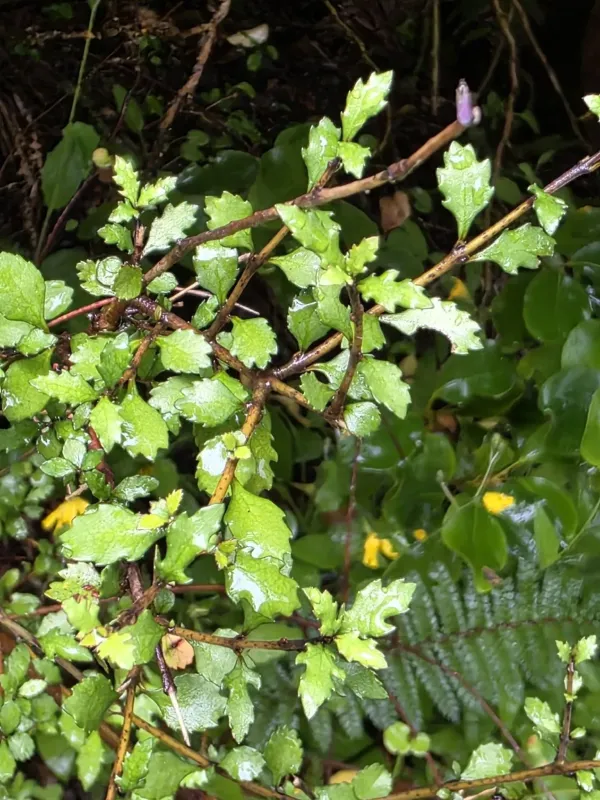
Description
Sowing dates
Propagation of Aristotelia fruticosa is primarily conducted via seeds or semi-hardwood cuttings. Seeds require a cold stratification process for several weeks to break dormancy and ensure uniform germination in a greenhouse environment.
Sowing in a professional substrate should take place in early spring. Maintaining a consistent temperature between 15-20°C is essential for successful seedling establishment during the initial growth phase.
Cuttings are harvested from healthy parent plants during the summer months. The use of rooting hormones significantly increases the success rate of propagation, especially when cuttings are placed in high-humidity mist propagation units.
Soil preparation involves incorporating organic matter to improve structure and moisture retention. Proper spacing is critical for air circulation, which prevents the development of fungal infections in dense foliage.
Acclimatization is a gradual process where young plants are exposed to outdoor conditions over several weeks to prevent transplant shock before final field planting.
Growing requirements
The Mountain wineberry is a member of the Elaeocarpaceae family, native to the diverse ecosystems of New Zealand. It is a hardy, woody shrub that thrives in cool to temperate climate zones with sufficient moisture.
The plant performs best in well-drained, fertile soil with a slightly acidic to neutral pH level. It is important to avoid heavy clay soils that retain excess water, as the roots are susceptible to rot in waterlogged conditions.
While the shrub exhibits good tolerance to various light conditions, partial sun to full sun is ideal for promoting optimal growth and fruit production. It should be protected from harsh, desiccating winds in exposed areas.
Agronomic management includes regular irrigation, especially during the fruit development stage. Mulching the base of the plant helps maintain soil moisture levels and suppresses weed competition effectively.
Pruning should be performed annually in late winter or early spring to remove dead or diseased wood and to maintain the desired shape and size of the shrub, which is beneficial for both aesthetics and fruit harvesting.
Main diseases and pests
The species is generally robust, but it can be susceptible to common garden pests such as aphids and scale insects, which feed on the sap of young shoots and foliage.
Fungal diseases, including leaf spot and root rot, may occur if the planting site lacks proper drainage or if air circulation around the canopy is poor. Preventive measures involve regular inspection and timely thinning of the branches.
Monitoring for signs of stress or infestation should be a regular part of the farm management routine. Integrated pest management (IPM) strategies, including the use of biological controls, are highly recommended.
Environmental stressors such as extreme frosts or prolonged heatwaves can also pose a threat. Providing adequate irrigation and shelter helps minimize damage from these abiotic factors.
Sanitation practices, such as removing fallen leaves and debris around the base of the plant, are essential to reduce the inoculum of soil-borne pathogens and keep the plantation healthy.
Harvesting
The harvest phase focuses on the small, distinct berries that are typically ready for picking in late summer. Harvesting is performed when the berries develop a deep color and a soft, yielding texture.
Because the berries are highly perishable, they are usually gathered using manual techniques to ensure that each fruit remains intact and free from bruising, which is vital for quality control.
Post-harvest handling is critical; berries must be cooled quickly to preserve their delicate flavor profile and nutritional content, which are highly valued in specialty markets.
The primary use of the harvested fruit includes the production of artisanal jams, syrups, and fermented beverages. Its high antioxidant content makes it an attractive ingredient for the health food industry.
Beyond its utility as a berry crop, Aristotelia fruticosa serves as a valuable ornamental plant in professional landscaping, thanks to its dense habit and foliage texture, which allows for versatile garden applications.