
Arabis sturii
Arabis x sturii hort. ex S. Arn.
Description
Growing requirements
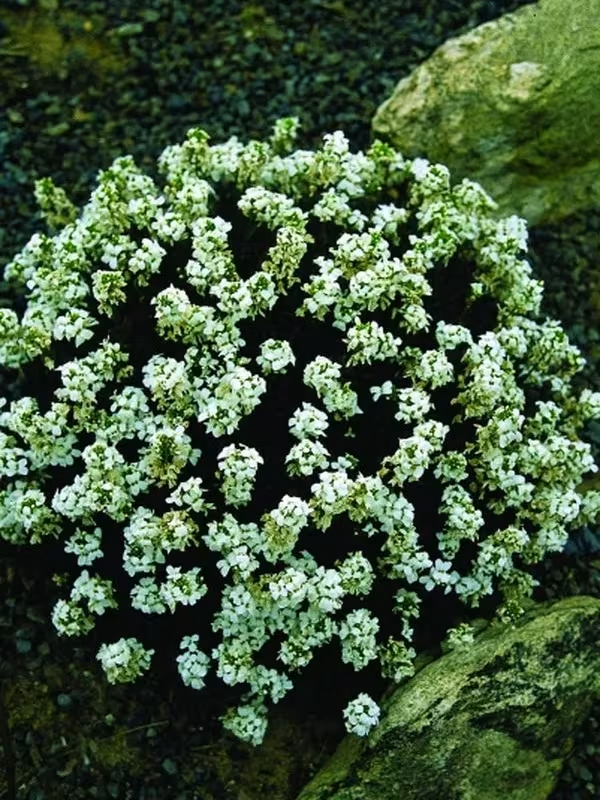
Arabis sturii is a low-growing, perennial herbaceous plant belonging to the Brassicaceae family. It is widely recognized in horticulture for its dense, cushion-forming growth habit and profuse flowering, which makes it a staple for rock gardens and groundcover applications.
The plant thrives in full sun exposure and requires exceptionally well-draining soil to perform optimally. It is highly sensitive to waterlogged conditions, particularly during the dormant winter months, which necessitates the use of sandy or gravelly substrate for successful cultivation.
Adaptability to varied climates is a key feature of this species, as it is frost-hardy and capable of withstanding the harsh conditions typical of alpine environments. It performs well in neutral to slightly alkaline soil types and does not require frequent fertilization to maintain its vigor.
Agrotechnical maintenance primarily involves post-flowering pruning to remove spent flower stalks and encourage new, compact growth. This practice ensures that the plants remain tight and healthy, preventing the center of the cushion from becoming woody or sparse over time.
When establishing Arabis sturii, providing adequate spacing is crucial to allow for proper airflow. This prevents the accumulation of moisture within the foliage mat, which is essential for ensuring longevity and minimizing the risk of physiological stress in the plants.
Main diseases and pests
Disease pressure on this species is typically linked to cultural conditions rather than external pathogens. Overwatering or poor drainage often leads to root rot or fungal outbreaks, such as powdery mildew, which can significantly damage the structural integrity of the plant cushions.
Pest management should focus on monitoring for crucifer-feeding insects, such as flea beetles, which can cause damage to the leaves. Regular inspection and maintaining good hygiene in the garden space are the most effective ways to mitigate the risk of pest infestation without the need for intensive chemical interventions.