
Alpine rockcress
Arabis alpina L.
Description
Sowing dates
Sowing Alpine rockcress seeds directly into the garden soil is best performed in early spring as soon as the ground can be worked. Alternatively, fall sowing is highly effective as the natural cold period aids in breaking seed dormancy.
When utilizing the transplant method, seeds should be sown in trays indoors during late winter, approximately 8 to 10 weeks before the last frost. Use a well-draining soil mix and keep the substrate consistently moist until germination occurs.
Prepare the planting site by removing all weeds and incorporating grit or sand to improve porosity. A firm, weed-free seedbed ensures that the tiny seeds are not buried too deeply and can germinate with sufficient light exposure.
Space the seedlings roughly 30 centimeters apart to allow for lateral spread. Because the plant naturally forms a mat, adequate initial spacing prevents overcrowding and encourages healthy air circulation through the foliage.
Immediately after sowing or transplanting, water the area gently to settle the soil around the roots. Adding a light mulch of gravel around the base of the plant helps maintain soil moisture levels and prevents the lower leaves from rotting.
Growing requirements
Alpine rockcress, known scientifically as Arabis alpina, is a hardy herbaceous perennial belonging to the Brassicaceae family. It is native to high-altitude mountain regions across Europe, North America, and parts of Asia, explaining its extreme temperature tolerance.
The plant thrives in full sun, which is crucial for maintaining a compact growth habit and prolific flowering. While it may tolerate partial shade in hotter climates, deep shade will almost certainly lead to leggy, weak plants with sparse blooms.
Soil requirements are relatively specific: the plant demands excellent drainage. While it can survive on poor, stony soils, it dislikes heavy clays that retain excessive moisture during the dormant season, which often results in crown rot.
The plant is highly frost-tolerant and does not require complex climate control once established. It is an ideal species for rock gardens, stone walls, and alpine troughs where the roots can stay relatively cool and dry.
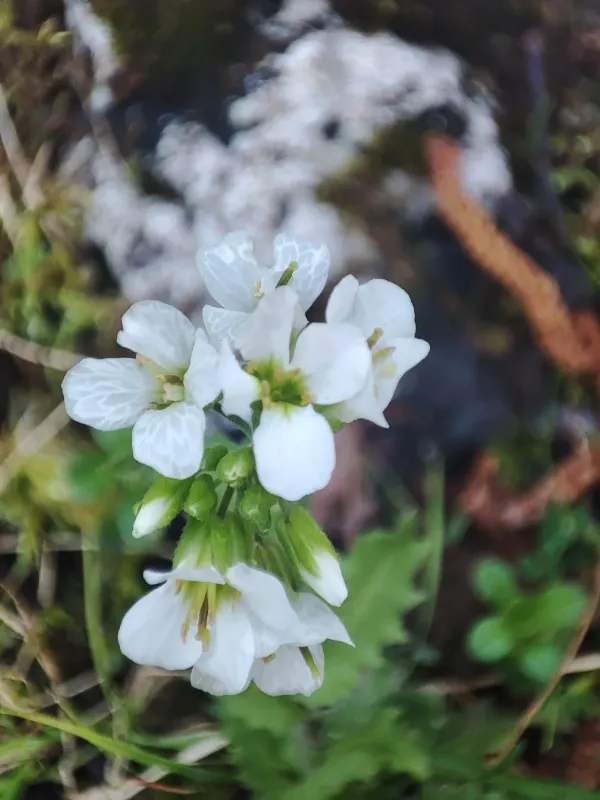
Botanically, it is characterized by its basal rosettes of toothed, grayish-green leaves. In spring, the plant produces numerous racemes of fragrant white flowers that create a striking visual effect, covering the foliage almost entirely.
Main diseases and pests
Root rot is the most common threat to Alpine rockcress, usually resulting from poor drainage or overwatering. Maintaining a sharp-draining soil profile is the most effective cultural practice to mitigate this risk.
Powdery mildew can become a significant issue during periods of high humidity or poor air circulation. Symptoms appear as a white, dusty fungal growth on the leaves, which can weaken the plant and reduce its aesthetic value over time.
Crucifer flea beetles are frequent pests of the Brassicaceae family. They cause small, shot-hole damage to the leaves, which can stunt the growth of young plants if the infestation is heavy during the early spring growth phase.
Chemical intervention should be a last resort. Instead, focus on integrated pest management by removing weeds from the vicinity that may serve as host plants for the beetles and ensuring the plants are well-watered to withstand minor damage.
Proactive management involves thinning out overcrowded patches to improve airflow. By keeping the center of the plant dry and avoiding overhead irrigation during humid weather, many fungal and pest problems can be effectively prevented.
Harvesting
In terms of management, the main task involves trimming the foliage back after the primary flowering period has concluded. This grooming practice helps the plant maintain a tight, cushion-like shape and prevents it from becoming straggly.
If you intend to collect seeds, allow the seed pods to mature on the plant until they turn a light brown color. Harvest the pods just before they begin to split open to maximize yield and avoid self-sowing across your garden beds.
Vegetative propagation is achieved through stem cuttings taken after flowering. These cuttings root easily in a sand-based propagation medium, allowing for the rapid expansion of groundcover patches without the wait time associated with seed production.
When clearing the site for winter, remove only damaged or diseased foliage. Alpine rockcress is essentially evergreen in many climates, and leaving the healthy foliage provides protection for the crown during the colder months.
For large-scale cultivation, propagation can also be done by division. This is best carried out in early spring, where mature clumps are carefully lifted and divided into smaller sections before being replanted in fresh, well-draining soil.