
Coast rockcress
Arabis blepharophylla Hook. & Arn.
Description
Sowing dates
Sowing Arabis blepharophylla is best performed in early spring or late autumn. Seeds should be sown in a well-drained medium, using a light layer of soil to barely cover them, as light aids the germination process.
Maintaining a constant temperature between 15°C and 20°C ensures consistent germination results. Using a misting spray prevents the seeds from being washed away during watering.
The seedlings grow relatively slowly in their early stages. Once they have reached a height of about 5 cm, they can be hardened off and transplanted into their permanent outdoor locations.
For direct seeding in rock gardens, clear all debris and weeds from the site to prevent competition. Creating a fine tilth in the soil helps the small seeds establish their roots quickly.
Space the plants approximately 25 cm apart to allow for proper air circulation as they mature and form their characteristic leafy rosettes.
Growing requirements
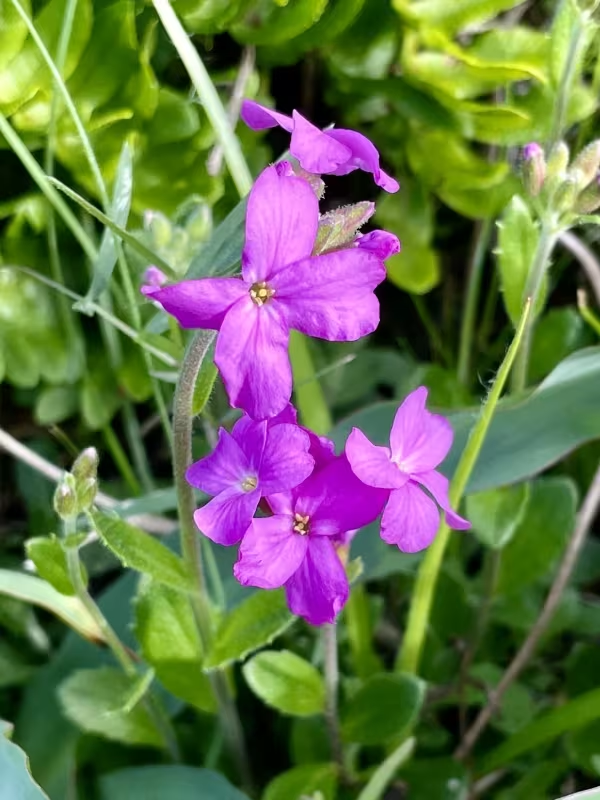
Arabis blepharophylla, a member of the Brassicaceae family, originates from coastal ranges in California. It is highly valued for its intense rose-purple flowers that appear in early spring.
The plant demands full sun exposure to flourish. It thrives in gritty, sandy, or rocky soil profiles that mimic its native slope-like environment, ensuring zero water logging.
It is remarkably tolerant of poor soils, though it performs best when the substrate is neutral to slightly alkaline. Avoid heavy clay soils that retain moisture and encourage fungal issues.
Watering requirements are low to moderate. Once established, the coast rockcress is somewhat drought-tolerant, making it an excellent candidate for xeriscaping or alpine gardens.
Winter care is minimal in temperate regions, but if snowfall is inconsistent, a light layer of mulch can help protect the root system from deep freezes.
Main diseases and pests
The primary threat is crown rot, triggered by poor drainage or overly humid conditions. Improving the soil structure with sand or grit is the most effective preventative measure.
Flea beetles are common pests that feed on foliage. Monitoring for small, circular holes in the leaves and applying appropriate deterrents is essential for maintaining aesthetic appeal.
Aphids can target the tender flower buds during the spring. Gentle rinsing with a steady stream of water is often enough to remove these pests without chemicals.
Mildew may develop in areas with stagnant air. Planting the species in open, well-ventilated garden sections significantly reduces the risk of such fungal diseases.
Ensuring that the garden bed is free of dead leaves in late autumn prevents pests from overwintering near the base of the rosettes, which helps ensure a healthy spring bloom.