
Hybrid columbine
Aquilegia x cultorum Bergmans
Description
Sowing dates
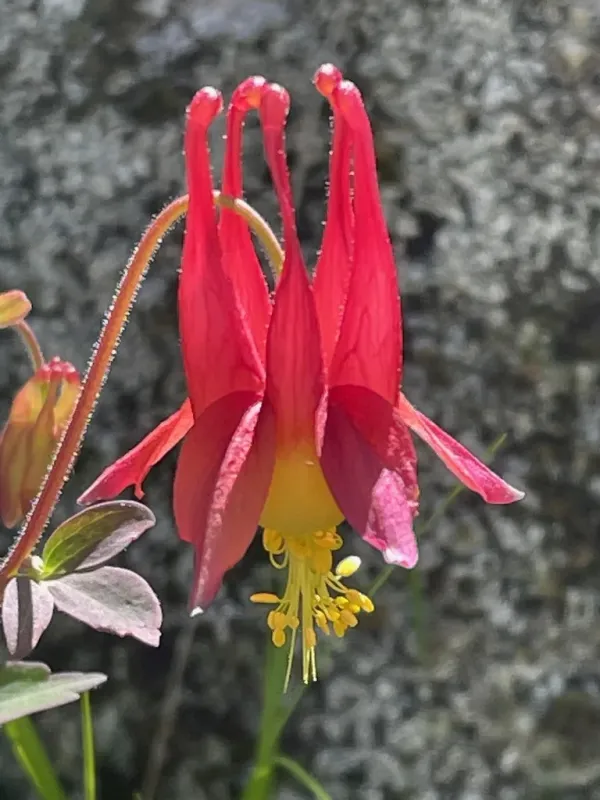
Hybrid columbine (Aquilegia x cultorum) is a herbaceous perennial member of the Ranunculaceae family, widely favored in horticulture for its diverse flower colors and intricate petal shapes. It serves as a staple in decorative landscape design and perennial gardening.
Sowing in open ground is typically performed during the autumn (October or November), allowing for natural vernalization, which ensures consistent germination in the spring. Direct spring sowing requires prior cold stratification of seeds for approximately four weeks.
For greenhouse production, seeds are sown in seedling trays during early spring, kept at a constant temperature of 18–20°C. Seeds should be lightly covered with a fine layer of substrate, as light exposure can sometimes inhibit optimal germination rates.
Seedlings develop slowly during the initial stages and are ready for pricking out once they reach the two-leaf stage. Careful handling of the root system is essential, as the columbine develops a deep taproot that is sensitive to transplantation shock.
Transplanting into the permanent garden site occurs in late May once the threat of frost has passed. Planting density should ensure adequate airflow to prevent fungal issues, typically spaced 30 to 40 cm apart depending on the cultivar size.
Growing requirements
The crop thrives in well-drained, humus-rich soil with a neutral to slightly acidic pH. Soils prone to waterlogging are unsuitable, as excess moisture in the crown area frequently leads to root rot, especially during the dormant winter period.
While hybrid columbine adapts well to sunny locations in cooler climates, it prefers partial shade in warmer regions. Providing relief from harsh afternoon sun extends the blooming season and keeps the foliage vibrant and healthy.
Consistent moisture is key during the establishment phase and the blooming season. The plant's deep taproot provides moderate drought resistance once fully established, but extended dry spells will significantly reduce flower production.
Fertilization regimes include balanced NPK applications in early spring to support foliage growth. During the budding stage, shifting to a higher phosphorus and potassium ratio encourages more vigorous and long-lasting flower displays.
Maintenance involves routine weeding and mulching around the base. This practice helps maintain soil temperature stability and suppresses competitive weed growth, allowing the columbine to utilize available nutrients efficiently.
Main diseases and pests
Powdery mildew represents the most significant fungal threat, characterized by white, dusty patches on the foliage. High humidity and poor air circulation are the primary drivers for the rapid spread of this disease among plantings.
Insect pests include aphids, which cluster on tender new growth, and spider mites that thrive in hot, dry conditions. Both pests weaken the plant and can cause physical deformation of the flowers and leaves if left untreated.
Leaf miners can also affect foliage, leaving visible tunnels that reduce the photosynthetic capacity of the plant. Regular monitoring of leaf surfaces is essential to detect pest activity before significant damage occurs.
Integrated pest management strategies involve the use of insecticidal soaps for early aphid detection and systematic fungicides for severe fungal outbreaks. Maintaining clean garden beds by removing debris in the fall prevents the overwintering of pathogens.
- Maintain proper spacing between plants for ventilation.
- Avoid overhead irrigation during humid weather to discourage mildew.
- Monitor for early signs of leaf discoloration or pest colonies.