
Rocky Mountain columbine
Aquilegia coerulea E. James
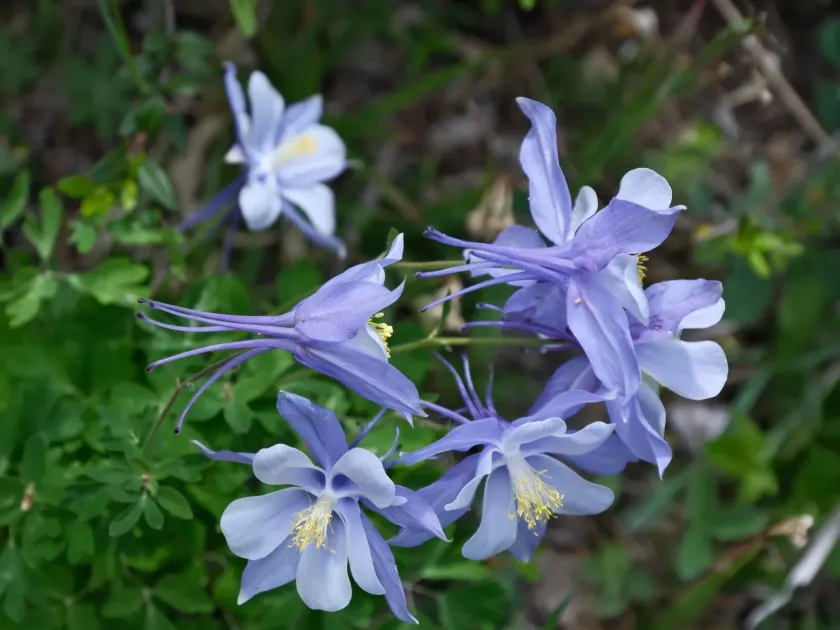
Description
Sowing dates
The seeds of Aquilegia coerulea require a period of cold stratification to break dormancy. Sowing directly into the garden in late autumn allows the seeds to experience natural winter temperatures, leading to optimal germination rates in the spring.
For indoor propagation, sow seeds in trays during late winter. Keep them in a refrigerator at approximately +4 degrees Celsius for three to four weeks before placing them in a bright, cool area to encourage sprouting.
Transplant seedlings into individual pots once they develop their first set of true leaves. Ensure the containers have adequate drainage to prevent waterlogging, which is detrimental to the developing root systems of the young plants.
When moving plants to their permanent location in the garden, ensure a spacing of 30 to 45 centimeters between specimens. This spacing is vital for air circulation, which helps in preventing fungal issues as the plants mature.
Fresh seeds are significantly more viable than stored ones. If you are collecting your own seeds, sow them immediately after harvest to ensure maximum success in the following growing season.
Growing requirements
As a member of the Ranunculaceae family, the Rocky Mountain columbine thrives in well-draining, organically rich soils. It prefers a slightly moist environment but cannot tolerate "wet feet" during the dormant winter months.
The plant performs best in locations that offer partial shade, particularly avoiding the harsh afternoon sun. In its native habitat of the Rocky Mountains, it naturally grows in rocky, sloped terrains with cool atmospheric temperatures.
Consistent moisture is key during the active growth period. Apply a layer of organic mulch around the base of the plant to help retain soil moisture and regulate temperature fluctuations during hot summer spells.
Fertilization should be handled with care; excessive nitrogen can lead to lush leaf development while inhibiting flower production. Use a balanced, slow-release fertilizer early in the season to support healthy growth.
Maintenance involves deadheading spent flowers to encourage a second flush of blooms and to prevent the plant from wasting energy on seed production prematurely.
Main diseases and pests
Aphids and spider mites are common pests that colonize the undersides of leaves. Regular inspections and the application of insecticidal soap or neem oil are effective strategies for controlling these infestations.
Powdery mildew is a frequent fungal problem, especially in humid or stagnant air conditions. Improving plant spacing and ensuring good airflow are the best preventative measures against this unsightly disease.
Leaf miners cause distinctive, winding white tunnels within the leaves. While usually not fatal, they reduce the plant's aesthetic appeal; affected leaves should be pruned and disposed of immediately.
Root rot, caused by various soil-borne pathogens, usually arises due to poor soil drainage. If signs of wilting appear despite adequate moisture, investigate the roots for decay and improve the site's drainage.
Slugs and snails may target emerging foliage in early spring. Barriers like crushed eggshells or copper tape can deter these mollusks and protect the plant during its most vulnerable growth stage.