
European columbine
Aquilegia vulgaris L.
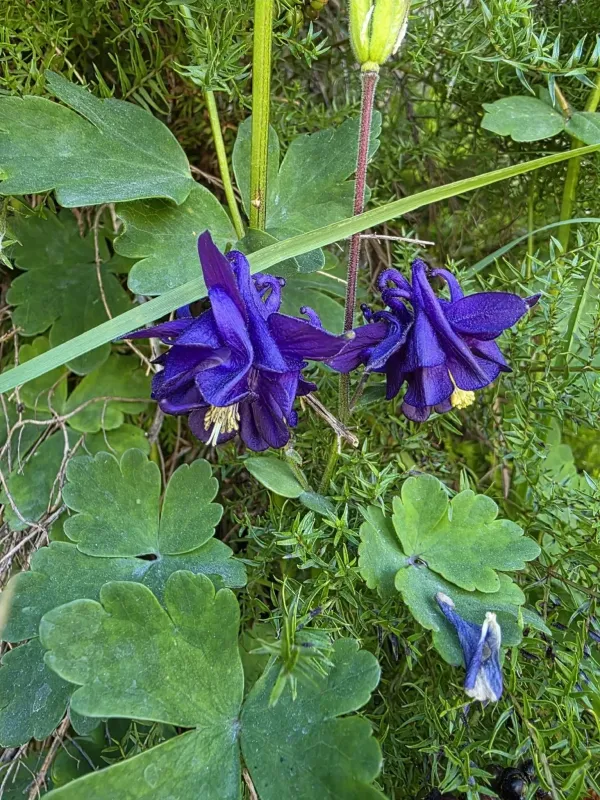
Description
Sowing dates
European columbine (Aquilegia vulgaris L.) is a herbaceous perennial member of the Ranunculaceae family. It is best propagated by seeds, which require a cold stratification period to break dormancy and ensure uniform germination in the spring.
Sowing in autumn is ideal as it allows the seeds to undergo natural stratification outdoors. If sown in spring, seeds should be refrigerated for 4 to 6 weeks before being planted in a shallow layer of moist, well-draining soil mix.
Germination typically occurs at temperatures around +16°C to +18°C. Because the seeds need light to germinate, they should only be lightly covered with fine vermiculite or soil, and kept consistently moist until emergence.
Seedlings are ready for transplanting when they have developed two or three true leaves. They should be spaced 30 to 40 cm apart in a permanent location, ensuring they have sufficient room to establish their root systems.
The species is known for its prolific self-seeding behavior. To manage the growth effectively, gardeners often deadhead the flowers before the seed heads ripen to prevent unwanted spread throughout the landscape.
Growing requirements
This plant thrives in fertile, moist, and well-draining soils. It prefers loamy textures rich in organic matter and performs poorly in heavy, waterlogged clays that might lead to crown rot during winter months.
European columbine is well-adapted to partial shade conditions. While it can tolerate full sun in cooler northern climates, it requires afternoon shade in warmer regions to maintain foliage quality and extend the flowering duration.
It is a cold-hardy plant, capable of surviving harsh winters without special protection. Mulching the base of the plant with leaf compost helps maintain moisture and protects the crown from extreme temperature fluctuations.
Routine maintenance includes occasional fertilization during the spring growth phase. A balanced, water-soluble fertilizer applied early in the season promotes vigorous development and improves the density of the foliage.
Adequate air circulation is essential for the health of the plant. Avoid overcrowding in beds, as dense plantings create microclimates that encourage fungal infections, especially during humid summer weather.
Main diseases and pests
Powdery mildew is the most common fungal issue, appearing as a white, dusty layer on the leaves. It is managed by improving air circulation and applying suitable fungicides when the first signs of infection appear.
Leaf miners can cause unsightly trails on the foliage. While these rarely kill the plant, they can significantly reduce its aesthetic appeal. Affected leaves should be pruned and disposed of to break the pest's life cycle.
Aphids often target the succulent buds and young stems during the spring. Regular inspections and the use of insecticidal soaps or neem oil are effective ways to keep the population under control.
Root rot, typically caused by Phytophthora species, can affect columbine in poorly drained soils. Improving soil structure and ensuring consistent but moderate irrigation are key strategies to prevent this fatal condition.
Rust diseases may occur during wet seasons, manifesting as orange-brown pustules on the undersides of the leaves. Sanitation, including the removal of dead plant material in autumn, is the best prevention method.