
Golden columbine
Aquilegia chrysantha A. Gray
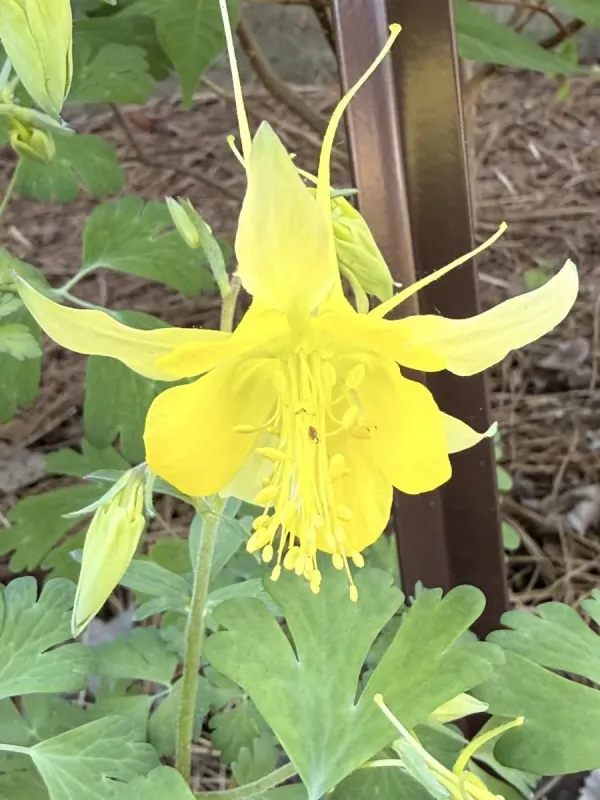
Description
Sowing dates
Seeds of Aquilegia chrysantha can be sown directly outdoors in early spring as soon as the soil is workable or during the autumn season.
For better germination results, seeds should undergo a cold stratification period of about 3 to 4 weeks before planting in trays.
When sowing, cover the seeds with only a very thin layer of fine soil, as they require light to germinate effectively.
Maintain an ambient temperature of 18–20 degrees Celsius to ensure steady growth and healthy seedling development during the early stages.
Keep the sowing medium consistently moist but not waterlogged to prevent damping-off, which is a common issue for young seedlings.
Growing requirements
Golden columbine is a herbaceous perennial belonging to the Ranunculaceae family, native to the southwestern regions of North America.
This species thrives in locations with partial shade, though it can tolerate full sun provided the soil remains sufficiently moist.
Well-draining, fertile, and loamy soil is ideal for supporting the deep root system of this plant and preventing moisture accumulation.
Regular watering is essential, especially during the first year of growth and periods of prolonged summer drought to ensure continuous blooms.
The plant is highly resilient and cold-hardy, capable of surviving harsh winters once it has established a strong root system in the ground.
Yield
The plant typically produces flowers in its second year, displaying its iconic bright yellow, long-spurred blossoms on tall, elegant stems.
Golden columbine is highly valued in horticulture for its ability to brighten shaded areas and attract pollinators like bees and hummingbirds.
It is extensively used in landscape design, specifically for naturalistic planting schemes, cottage gardens, and woodland borders.
By deadheading the spent flowers, gardeners can encourage a second wave of blooms, extending the visual appeal throughout the summer months.
The foliage remains attractive even when not in flower, forming a dense mound of delicate, compound, blue-green leaves that add texture to beds.
Main diseases and pests
Aphids often target the young leaves and flower buds, necessitating early intervention to prevent significant damage to the plant's aesthetic.
Powdery mildew is a common fungal disease that can spread quickly in stagnant, humid environments, creating a dusty white appearance on leaves.
Root rot is usually associated with poor soil drainage and excessive moisture, which can quickly lead to the decline of the entire plant.
Leaf miners can occasionally create winding trails on the foliage, which is mainly an aesthetic issue rather than a fatal one for the plant.
- Ensure proper spacing between plants for good airflow.
- Use systemic insecticides to control heavy aphid infestations.
- Remove and discard any foliage showing signs of powdery mildew.