
Canadian columbine
Aquilegia canadensis L.
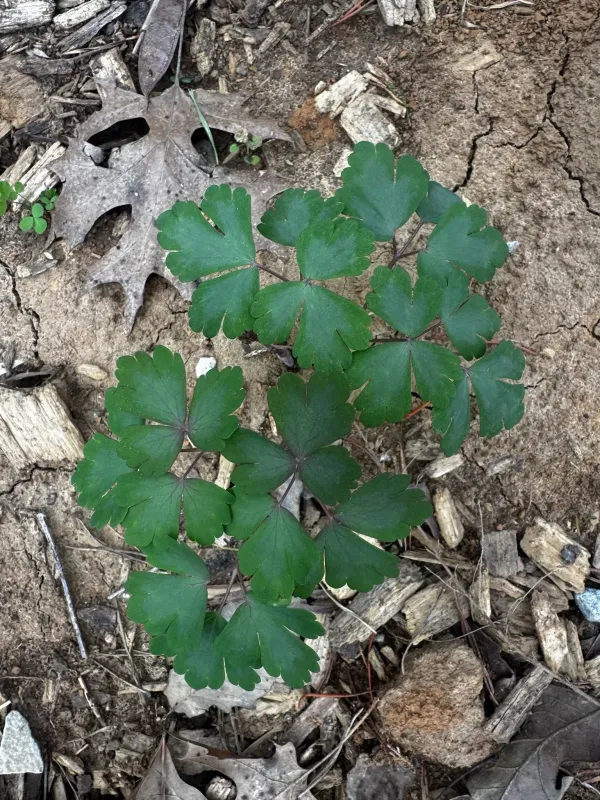
Description
Sowing dates
Sowing seeds of Canadian columbine is best performed in late autumn to allow for natural cold stratification over the winter period. This timing ensures that the seeds germinate uniformly when the spring warmth arrives.
For indoor propagation, seeds should be sown in late winter within seed trays filled with a light, well-draining potting medium. Maintaining a temperature range of 15 to 18 degrees Celsius is optimal for the germination process.
Seedlings emerge after several weeks and require bright, indirect light to develop sturdy stems. Once they produce their first true leaves, seedlings should be pricked out into individual pots to avoid root congestion.
Transplanting into the garden should occur in early spring after the danger of severe frost has passed. Care must be taken to minimize root disturbance, as these plants are sensitive to rough handling during the transplanting phase.
Space plants approximately 30 to 40 centimeters apart to promote good air circulation. Proper spacing is a fundamental requirement to reduce humidity levels around the foliage, which helps prevent various fungal pathogens.
Growing requirements
Canadian columbine is a perennial herb belonging to the Ranunculaceae family, native to North American woodlands. Its natural habitat is characterized by partial shade and well-drained, nutrient-rich soil conditions.
The plant thrives in partial shade or dappled sunlight. It does not tolerate prolonged direct sunlight during the hottest parts of the day, which can cause foliage stress and premature wilting of the delicate flowers.
Soil should be moist yet porous, as the plant is susceptible to root rot in waterlogged environments. Adding organic matter, such as compost or peat, can significantly improve soil structure and moisture retention capabilities.
While the plant is hardy and adapts well to various temperate climates, it appreciates a layer of organic mulch around the base. This practice helps maintain soil moisture levels and prevents the ground from drying out too quickly.
Watering should be managed consistently during dry spells. Avoiding overhead irrigation can prevent the saturation of leaves, which is often a contributing factor to the development of foliar fungal issues.
Main diseases and pests
Powdery mildew is the most common fungal disease affecting the Canadian columbine. It typically appears as a fine, white, dust-like substance on the leaf surfaces, usually triggered by stagnant, humid air conditions.
Rust and leaf spot diseases may also occur if environmental conditions favor fungal proliferation. Routine inspection of the plants, especially during prolonged rainy seasons, is essential for early detection of these health issues.
Common insect pests include aphids, leaf miners, and spider mites. These insects can damage the aesthetic value of the plant by sucking plant sap or creating unsightly trails on the leaves, leading to weakened plant vigor.
Integrated pest management strategies should be employed, starting with mechanical removal or biological control agents before resorting to chemical insecticides. Keeping the garden clean by removing debris is vital.
Maintaining strong, vigorous plants through correct site selection and proper hydration is the best defense against pests and diseases. Healthy columbines are generally resilient and require minimal chemical intervention.