
Long-spurred columbine
Aquilegia longissima A. Gray ex S. Watson
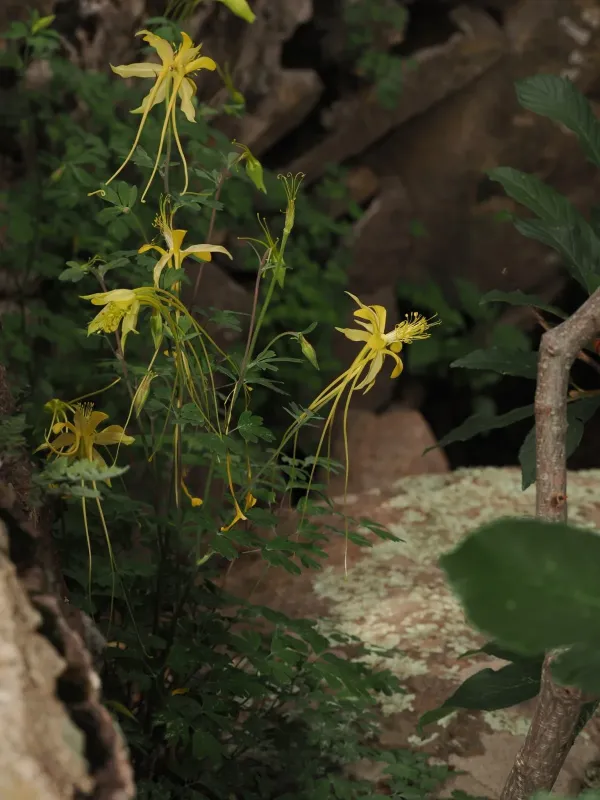
Description
Sowing dates
Aquilegia longissima, a member of the Ranunculaceae family, is typically propagated via seeds. For optimal germination, seeds require a period of cold stratification, making late autumn the ideal time for sowing directly into the garden soil.
When starting indoors, seeds should be sown in trays in late winter. Keep the growing medium moist and maintain a temperature between 15°C and 20°C until seedlings emerge, which usually occurs after about four weeks.
The plant develops a deep taproot early in its lifecycle, so seedlings should be transplanted carefully. Using biodegradable pots can help reduce root disturbance during the final relocation to the flower bed.
Plant spacing should be adjusted based on the mature size of the cultivar, usually requiring 40 to 50 cm between individual plants. This ensures proper light exposure and prevents the development of stagnant humidity.
Successful establishment relies on consistent care in the first months. Young plants must be kept free of weeds to ensure they do not compete for essential nutrients during their early growth phase.
Growing requirements
This species thrives in sites that offer partial shade to filtered sunlight. While it can tolerate more exposure in cooler northern climates, it requires protection from intense mid-day heat in southern regions.
Soil quality is paramount for this cultivar. It demands a well-draining substrate, as the roots are sensitive to waterlogging. A mixture of loam, sand, and compost provides the best structural support.
Watering frequency should be moderate, allowing the top layer of soil to dry out slightly between irrigation cycles. Established plants are relatively drought-tolerant, but consistent moisture improves bloom duration.
Fertilizer application should be light and balanced. An annual application of organic matter, such as aged manure or leaf mould, is usually sufficient to support the plant throughout its active growth period.
Maintenance includes deadheading spent flowers to prevent energy diversion into seed production. This practice promotes a secondary flush of blooms and maintains the aesthetic appeal of the garden display.
Main diseases and pests
Powdery mildew is the most common fungal issue affecting the foliage. Improving air circulation around the plants is the most effective preventative measure to stop the spread of this pathogen.
Rust can manifest as orange or brown spots on the leaves during humid seasons. Affected foliage should be removed immediately to prevent spores from spreading to neighboring healthy plants.
Aphids often target the succulent new growth and flower buds. These small pests can be managed with gentle water sprays or by introducing natural predators like ladybugs into the garden ecosystem.
Leaf miners cause unsightly tunnels within the leaves. If an infestation is detected, it is recommended to pinch off the affected leaves to disrupt the life cycle of the insect larvae.
Fall cleanup is essential to eliminate overwintering sites for pests and diseases. Removing all dead plant matter before the first deep freeze helps ensure a healthier start to the following spring season.