
Alpine columbine
Aquilegia alpina L.
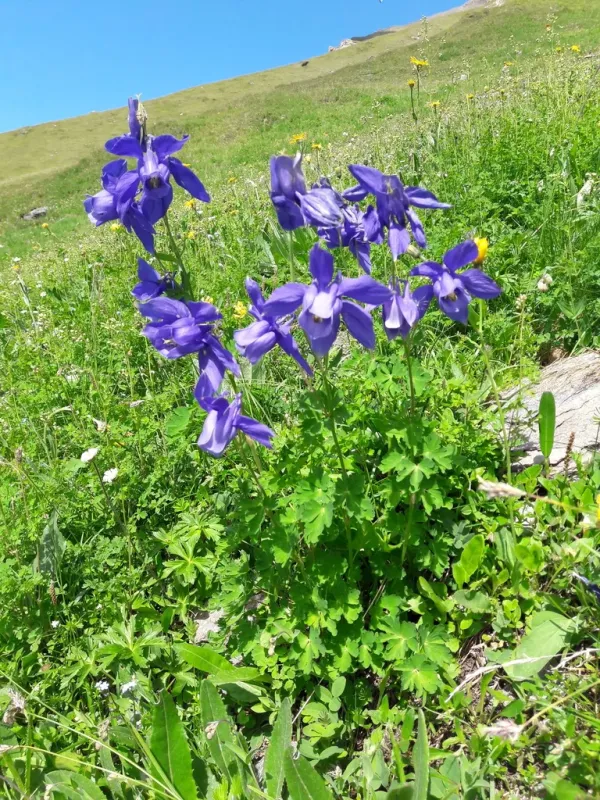
Description
Sowing dates
Sowing Alpine columbine seeds is most effective in the autumn, as the seeds require a period of cold stratification to break dormancy. Outdoors, scattering seeds in late autumn allows the winter freeze-thaw cycles to naturally prepare the embryos for spring germination.
For indoor propagation, seeds should be sown in trays during late February or March. Placing the containers in a refrigerator for three to four weeks before sowing can significantly improve the uniformity of germination if natural cold exposure was not possible.
The seeds should be lightly covered with a thin layer of soil, as they require a small amount of light to initiate the germination process. Keep the growing medium consistently moist but not saturated, and maintain a temperature of approximately 18–20 degrees Celsius.
Once the seedlings develop two or three sets of true leaves, they should be transplanted into individual pots. This step allows for the development of a robust root system before the young plants are introduced to their permanent location in the garden.
Transferring the hardened-off seedlings to the garden should occur in late spring after the final frost risk has passed. Spacing plants 30–40 cm apart ensures adequate airflow, which is critical for reducing the risk of fungal infections later in the season.
Growing requirements
Alpine columbine thrives in locations with partial shade, particularly where it is protected from the intense heat of the midday sun. While it can tolerate full sun in cooler climates, a dappled light environment is usually preferred for longer-lasting blooms.
The ideal soil is rich, well-draining, and slightly moist, with a neutral to slightly acidic pH level. Incorporating organic matter, such as compost or leaf mold, into the planting site improves soil structure and nutrient retention for better growth.
Watering requirements are moderate; however, the soil should never be allowed to dry out completely, especially during the peak flowering stage. Proper drainage is essential to prevent water accumulation, which can lead to crown rot in this species.
Regular fertilization with a balanced, slow-release fertilizer at the start of the growing season supports healthy development. Supplemental potassium-rich feedings can enhance the vibrancy and longevity of the unique blue flowers characteristic of this alpine species.
As a high-altitude native, this plant is exceptionally hardy and capable of surviving cold winter temperatures without special protection. Cutting back the foliage in late autumn helps prepare the plant for dormancy and prevents diseases from overwintering.
Main diseases and pests
Powdery mildew is a prevalent fungal disease that appears as a white, dusty layer on the leaves, especially when humidity is high. Improving air circulation around the plants and avoiding overhead irrigation can effectively minimize the risk of outbreaks.
Insect pests such as aphids and leaf miners often target the foliage, causing significant cosmetic damage and potentially reducing the plant's vigor. Utilizing insecticidal soap or specific pesticides according to the severity of the infestation is recommended.
- Powdery mildew — fungal infection on foliage.
- Aphids — sap-sucking insects on new growth.
- Leaf miners — larvae creating tunnels in leaf tissue.
Regular inspection of the plant is vital to catch early signs of pest activity or disease. Prompt removal of damaged leaves and disposing of debris helps to keep the population of pathogens and pests in check throughout the growing season.
Maintaining clean planting beds and performing proper soil cultivation around the base of the plant creates an unfavorable environment for many garden pests. These simple but effective cultural practices go a long way in ensuring the health of the Alpine columbine.