
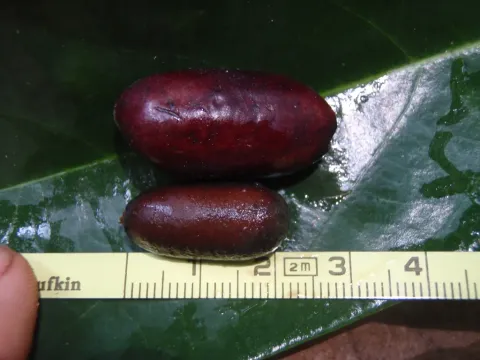
Annickia
Annickia
Annickia is a genus of evergreen trees belonging to the Annonaceae family. These plants are native to the tropical rainforests of Central and West Africa, where they play a significant role in local biodiversity and forest ecology.
What the section contains


Annickia
The cultivation of Annickia requires a typical equatorial climate characterized by consistently high temperatures and significant annual rainfall. The plants thrive in environments where there is minimal seasonal variation in weather patterns, supporting year-round growth.
Soil requirements for this culture involve well-draining, nutrient-rich substrates with a slightly acidic to neutral pH level. Proper drainage is the most critical factor, as these trees are highly susceptible to root rot if water stagnation occurs in the soil profile.
Agronomic management includes site selection that provides protection from harsh winds, particularly for young trees. Nursery-grown seedlings must be carefully acclimatized to ambient light levels, as direct, intense tropical sun can hinder initial development.
The primary economic value of Annickia lies in its bark, which is rich in alkaloids such as berberine and palmatine. These compounds are highly sought after in the pharmaceutical industry for their antimicrobial and anti-inflammatory properties.
Fungal pathogens represent the most significant threat to Annickia plantations, thriving in the humid tropical climate. These infections primarily affect the bark and woody tissue, necessitating vigilant monitoring and preventative maintenance of the trees.
Wood-boring insects and leaf-eating pests pose a recurring challenge for plantation health. Integrated pest management strategies are often implemented to control these insects without compromising the purity of the bark, which is intended for medicinal use.
Invasive lianas and fast-growing secondary vegetation can quickly overtop and shade out young Annickia trees. Regular weeding and clearing of the understory are essential to maintain the structural integrity and growth rate of the plantation.
Improper bark harvesting techniques can introduce pathogens into the tree trunk, leading to long-term decline. Standardized procedures, including the use of sterilized tools, are necessary to ensure the tree remains productive for multiple harvesting cycles.
Environmental stressors, particularly prolonged dry spells caused by shifting climate patterns, can weaken the trees' natural defenses. Implementing sustainable irrigation practices in affected areas is crucial to maintaining the viability of the stock.