
Annickia chlorantha
Annickia chlorantha
Description
Growing requirements
Annickia chlorantha is a distinctive evergreen tree belonging to the Annonaceae family. It is native to the tropical forests of West and Central Africa, thriving in humid environments that provide consistent moisture and warmth throughout the year.
Climatic requirements are strict: the tree demands a tropical climate with high rainfall and minimal seasonal variation. It is not frost-tolerant and requires protection from extreme weather conditions to maintain its healthy growth cycle.
The soil profile should be deep and well-drained, characterized by high organic content. Annickia prefers acidic to neutral soils which are typical of its native rainforest habitat, providing the necessary nutrients for the development of its dense wood.
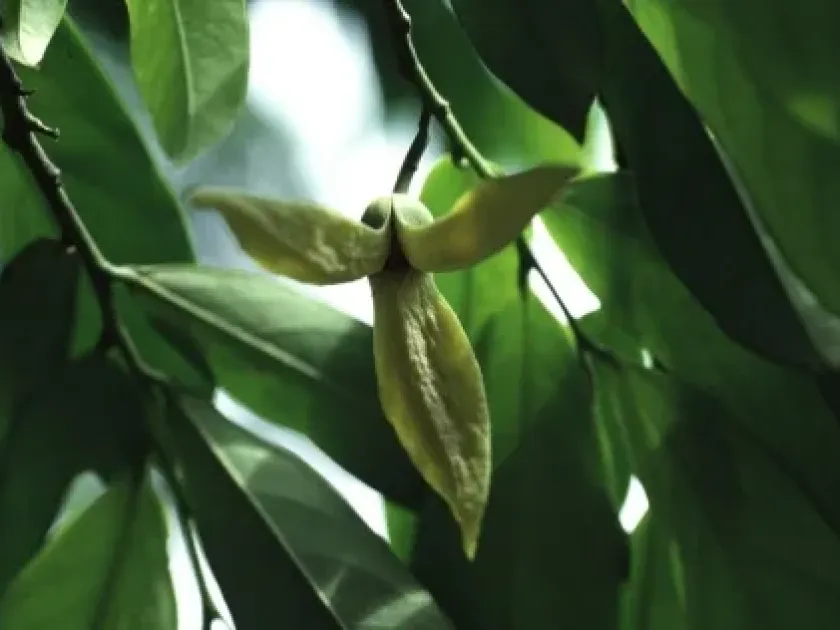
Botanically, the tree is known for its yellow-colored inner bark, which is the primary source of its medicinal value. The leaves are typically glossy and evergreen, contributing to the tree's robust silhouette and ecological functionality.
The economic value of this tree is largely derived from its pharmacological applications. The bark is widely harvested for its medicinal properties, specifically for treating malaria and other inflammatory conditions, making it a critical species in local medicine.
Main diseases and pests
The primary threat to the species is unsustainable harvesting of its bark. Over-extraction without proper harvesting techniques can lead to the death of the tree, creating a long-term sustainability crisis for the natural population.
Fungal diseases present a recurring challenge, particularly when the tree's integrity is compromised by pests or mechanical harvesting damage. These pathogens can cause stem rot, significantly reducing the quality of the raw material.
Insect pests, especially stem borers, are known to damage the vascular system of the tree. These borers penetrate the bark and feed on the cambium layer, which can stunt the tree's growth or lead to mortality if left unmanaged.
Deforestation and habitat loss are significant external threats. As tropical forests are cleared for commercial agriculture, the natural stands of Annickia chlorantha are increasingly fragmented, leading to genetic isolation.
Effective management strategies require the adoption of plantation forestry. By cultivating the trees in controlled environments, producers can implement standardized pest control and sustainable harvesting protocols to protect the species.