
Annickia polycarpa
Annickia polycarpa
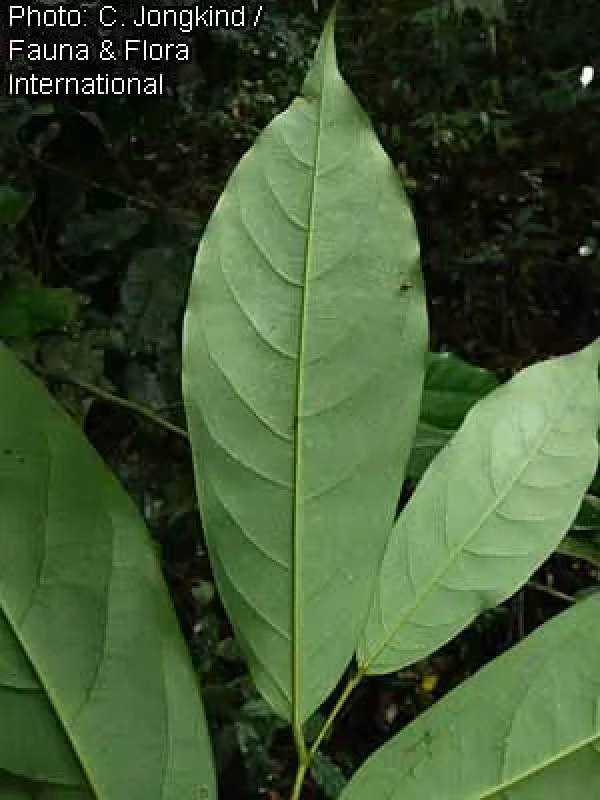
Description
Growing requirements
Annickia polycarpa is a tropical evergreen tree belonging to the Annonaceae family, native to the lush, humid rainforests of West and Central Africa.
This species thrives in equatorial climates characterized by high temperatures and consistent rainfall, requiring an environment that mimics the humid conditions of the forest understory.
Optimal growth is achieved in deep, well-draining soils that are rich in organic matter, as the root system is highly sensitive to waterlogging and soil compaction.
During the establishment phase, the plant prefers partial shade, which protects young saplings from the harsh intensity of direct tropical sun until they are sufficiently developed.
Successful cultivation involves careful management of local biodiversity, ensuring the tree has adequate spacing to prevent competition for nutrients and light in agroforestry systems.
Main diseases and pests
The primary threats to this species include fungal infections that target the stem and roots, often exacerbated by high humidity and poor ventilation in dense plantations.
Various wood-boring insects present a significant risk, as their larvae can penetrate the trunk, compromising the structural integrity of the tree and reducing bark quality.
Over-harvesting of the bark by local collectors remains a critical threat to wild populations, leading to increased vulnerability to disease and potential tree mortality.
Leaf-feeding caterpillars can cause significant defoliation, particularly in younger trees, which slows growth rates and reduces the tree's photosynthetic capacity.
Preventative measures include maintaining clear understory paths for airflow and periodic monitoring for signs of rot or insect infestation to maintain plantation health.
Harvesting
The economic and medicinal value of Annickia polycarpa is primarily found in its bark, which is highly sought after for its rich content of medicinal alkaloids like berberine.
Sustainable harvesting techniques involve removing only vertical sections of the bark, allowing the tree to regenerate the protective layers over time without sacrificing the plant.
Post-harvest, the bark is carefully dried in shaded, ventilated conditions to prevent the degradation of heat-sensitive compounds and ensure maximum potency of the extract.
The timber, known for its distinct yellow color and durability, is utilized for artisanal woodcraft and small-scale local construction projects in its native range.
Quality control during processing is essential, focusing on the concentration of active chemical constituents to meet the rigorous standards of pharmaceutical industries.