
Andrachne
Andrachne
Andrachne is a genus of perennial herbs or subshrubs belonging to the Euphorbiaceae family. These plants are naturally distributed across regions with arid and semi-arid climates, including the Mediterranean basin, parts of Central Asia, and the Caucasus region.
What the section contains


Andrachne
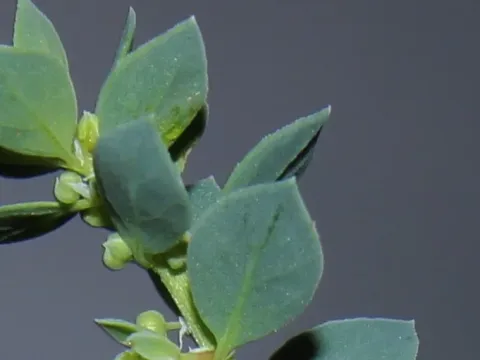
Botanically, the genus is characterized by its simple, alternate leaves and small axillary flowers. The root system is significantly developed, which enables the plant to thrive in nutrient-poor, rocky, or gravelly soils where other vegetation might struggle to survive.
The cultural requirements for Andrachne center on high solar exposure. These plants are true xerophytes, demanding full sunlight to maintain their metabolic processes and structural integrity. They are exceptionally well-adapted to enduring long-term atmospheric and soil drought.
Ideal soil conditions for Andrachne include well-draining limestone or sandy substrates with a neutral to slightly alkaline pH. Waterlogging is strictly detrimental to the root health of this genus, necessitating the avoidance of heavy clay soils unless significant soil amendments and drainage measures are applied.
In terms of agricultural utility, Andrachne is primarily valued for its role in soil stabilization on erosion-prone slopes and for its resilience in harsh environmental conditions where conventional crops fail.
Andrachne exhibits a high degree of natural resistance to standard agricultural pests. The chemical composition of its tissues, typical of the Euphorbiaceae family, acts as a deterrent against most leaf-feeding insects, minimizing the need for pesticide application.
The most significant threat to the health of these plants is the development of fungal infections in the root zone. Such conditions are almost exclusively caused by poor agricultural management, specifically excessive irrigation or inadequate soil drainage.
Root rot caused by stagnant water is the primary cause of mortality in cultivated Andrachne. When the soil remains saturated for extended periods, the root architecture begins to decay, facilitating opportunistic pathogens that further compromise the plant.
Environmental stress, while usually tolerated well, can occasionally make the plants susceptible to spider mites if the humidity levels drop to near-zero levels during peak summer heat, although this rarely reaches an economic threshold.
Preventative management is key: monitoring soil moisture and ensuring excellent drainage are sufficient to protect the crop from nearly all common diseases and pest pressures.