
Andrachne telephioides
Andrachne telephioides
Description
Sowing dates
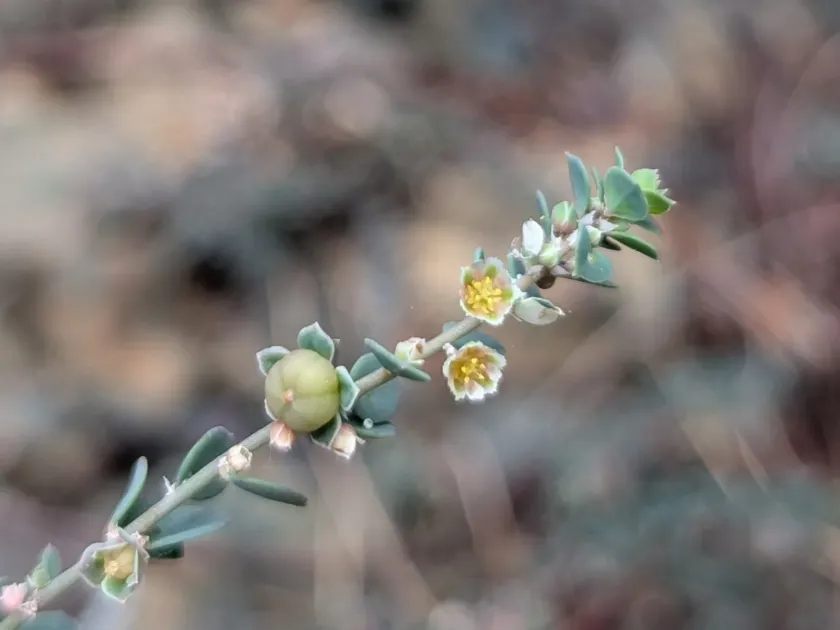
Andrachne telephioides is a perennial herbaceous plant belonging to the Euphorbiaceae family. It is typically found in arid and rocky regions, displaying robust evolutionary adaptations to nutrient-poor substrates.
Propagation is primarily achieved through seeds, which require specific conditions for germination. Sowing should be carried out in early spring, allowing the seeds to benefit from the natural temperature fluctuations of the season.
The optimal sowing depth is shallow, approximately 1 cm, ensuring that the light-dependent seeds can establish roots efficiently. Soil preparation must prioritize structure to prevent compaction.
In cultivation, spacing is crucial. Plants should be set far enough apart to allow for maximum airflow, which is essential for maintaining plant health in environments where humidity might fluctuate unexpectedly.
As a xerophytic species, the plant establishes a deep root system early on. Consequently, once the seedlings are established, they show high survival rates even in harsh agricultural settings with minimal human intervention.
Growing requirements
The plant thrives in Mediterranean-type climates, characterized by hot, dry summers and mild winters. It requires full sun exposure for at least 8 to 10 hours a day to reach optimal growth and secondary metabolite concentration.
Soil requirements focus on alkalinity and drainage. Andrachne telephioides performs best in calcareous or rocky soils where moisture accumulation is impossible, protecting the root collar from decay.
It is highly resistant to drought and heat stress, making it an excellent candidate for cultivation in arid regions where irrigation water is scarce or unavailable for conventional crops.
The plant is not frost-tolerant in extreme conditions. In regions with severe winters, it requires protection to ensure the root system does not experience deep freeze, which could lead to crown rot.
The nutrient needs of this crop are modest. It has adapted to thrive in soils that are considered marginal for major agricultural crops, effectively utilizing locked-up mineral resources through symbiotic processes.
Main diseases and pests
Due to its natural chemical defenses, Andrachne telephioides is generally resistant to many common pests. However, it is susceptible to specific conditions that can compromise its physiological health.
Fungal leaf spots are the most common issue in poorly ventilated cultivation systems. High humidity and static air masses promote the growth of pathogens that cause necrotic spots on the foliage.
Root system issues, particularly collar rot, are almost exclusively caused by overwatering or soil waterlogging. Once the roots are compromised, the plant loses its ability to regulate water intake.
Pest pressure is usually low, though aphids may colonize young shoots during periods of drought stress. Monitoring should be focused on the underside of leaves and growing tips during peak heat.
Integrated Pest Management (IPM) is the best approach for this species. Mechanical weeding and the removal of infected parts are usually sufficient to maintain healthy plant populations without requiring harsh chemicals.