
Andrachne colchica
Andrachne colchica
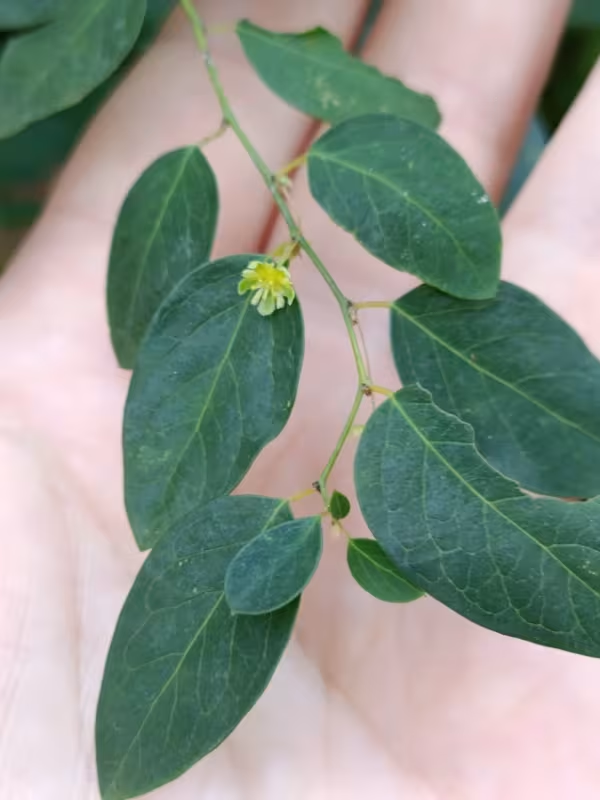
Description
Growing requirements
Andrachne colchica is a perennial semi-shrub belonging to the Euphorbiaceae family. This species is known for its distinct botanical traits, often featuring woody-based stems and small, alternate leaves that give it a unique ornamental appeal in specialized garden settings.
Originating from the Caucasus region, the plant is naturally adapted to rocky slopes and well-drained habitats. This historical origin dictates its fundamental requirement for porous soil that allows for efficient moisture drainage.
Regarding climatic needs, this culture favors warm, sunny positions. It thrives when placed in direct sunlight, which helps maintain its compact growth habit and prevents the stretching of stems often seen in low-light conditions.
Soil requirements focus on alkalinity and texture. It performs best in neutral to slightly alkaline, light, and sandy soils. Heavy or clay-based substrates should be amended with gravel or sand to replicate the natural conditions of its mountain habitat.
Its primary agricultural and horticultural use is as an ornamental plant for rockeries or xeriscaping. Due to its resilience against drought once established, it is a valuable candidate for gardens with limited irrigation capacity.
Main diseases and pests
The most significant threat to Andrachne colchica is root rot caused by poor soil drainage and waterlogging. In wet environments, the plant quickly loses vigor, necessitating strict control over irrigation cycles.
Fungal pathogens such as powdery mildew can affect the foliage if the air circulation is inadequate. Ensuring proper spacing between plants is essential for maintaining a healthy microclimate around the canopy.
Aphids represent the most frequent insect pest, particularly targeting new terminal shoots. Early detection and treatment with systemic insecticides or natural soaps are typically sufficient to mitigate damage.
Spider mites may pose a risk during periods of extreme heat and dry air. Regular monitoring of leaf undersides is recommended, as these pests can cause severe chlorosis and foliage drop if left unchecked.
Overall, maintaining plant health involves a combination of preventative measures and good agricultural practices. Proper site selection and avoiding over-fertilization are crucial for long-term survival in garden conditions.