
Andrachne cordifolia
Andrachne cordifolia
Description
Growing requirements
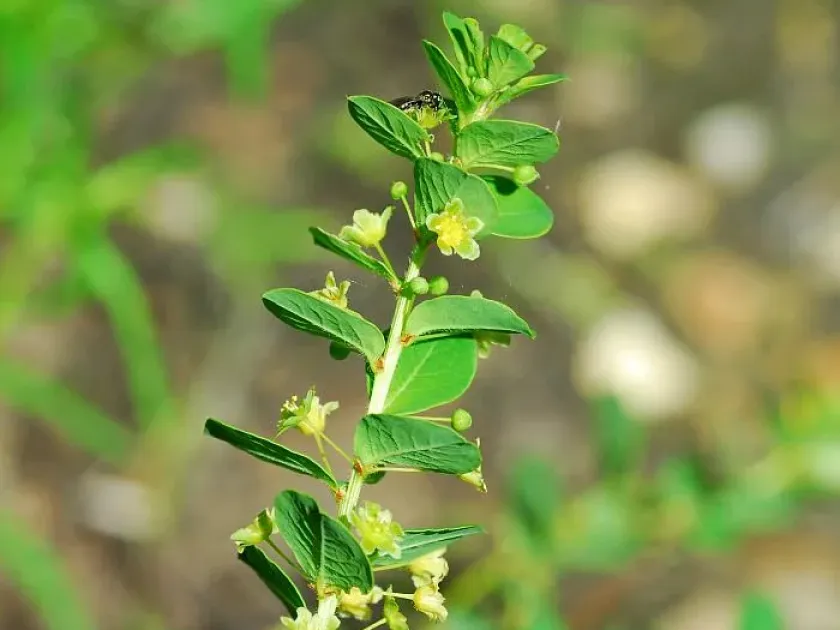
Andrachne cordifolia is a perennial shrub species belonging to the Euphorbiaceae family. It is known for its distinct cordate (heart-shaped) leaves and woody base, which allows the plant to persist through varying seasonal conditions. The plant architecture is adapted for survival in rugged, arid environments.
The native distribution of this species includes the mountainous regions of Central Asia. It thrives in habitats characterized by sparse vegetation, strong sunlight, and poor, rocky soils. This ecological background makes the plant highly efficient at nutrient absorption in nutrient-depleted substrates.
In terms of agricultural requirements, the species demands a well-draining soil profile with minimal moisture retention to avoid root rot. It performs best in neutral to slightly alkaline soil conditions. Proper spacing is essential to ensure adequate airflow and prevent the accumulation of humidity around the foliage.
The cultivation of Andrachne cordifolia requires low maintenance due to its drought tolerance. During the initial establishment phase, supplemental irrigation may be necessary to ensure the root system is well-anchored, but mature plants require little to no additional water in dry seasons.
The economic and research interest in this plant is primarily focused on its secondary metabolites, which are subjects of study for potential medical applications. Additionally, its aesthetic value makes it a potential candidate for xeriscaping and sustainable landscaping in arid climates.
Main diseases and pests
The primary threats to this culture are related to improper drainage, leading to fungal pathogens that attack the root neck. While the plant is inherently resistant to many pests, monitoring for common greenhouse insects is advised if the plant is grown in controlled or enclosed environments.