
Andrachne phyllanthoides
Andrachne phyllanthoides
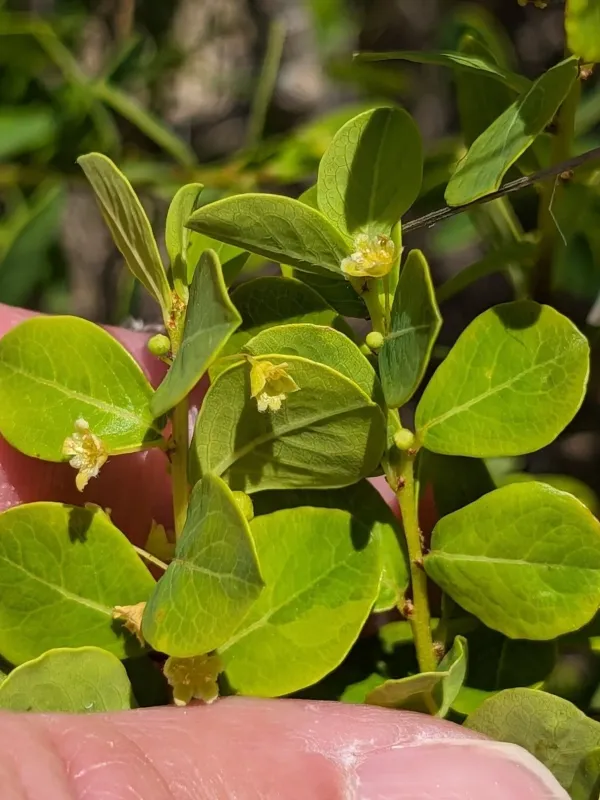
Description
Growing requirements
Andrachne phyllanthoides, commonly known as the maidenbush, is a deciduous shrub belonging to the Euphorbiaceae family. It is recognized for its delicate foliage and compact growth habit, making it an interesting subject for specialized gardening enthusiasts.
The native range of this species includes the central regions of the United States, primarily inhabiting limestone glades, rocky outcrops, and dry woodland edges. This adaptation to harsh, rocky conditions makes it a highly resilient plant in a garden setting.
Cultivation requires sites with excellent drainage, as the species is highly susceptible to root damage in waterlogged soil. It performs best in alkaline or neutral substrates, mimicking its natural habitat where rocky soil prevents moisture stagnation.
Full sun to partial shade is ideal for this shrub. Providing enough sunlight ensures a compact structure and promotes healthy leaf development, which is essential for its ornamental appeal in landscape design, especially in rock gardens or xeriscaping projects.
In terms of maintenance, this plant requires minimal intervention once established, provided the environmental conditions are met. It is valued for its hardiness in hot, dry climates where other ornamental shrubs might struggle to survive without frequent supplemental irrigation.
Main diseases and pests
The most significant threat to Andrachne phyllanthoides is root rot caused by poor soil drainage. As a plant adapted to well-drained rocky environments, it cannot withstand wet feet, which quickly leads to the decay of the root system and plant mortality.
In terms of pests, spider mites can become an issue if the plant is grown in overly dry conditions or in locations with restricted airflow. Monitoring foliage for signs of stippling or webbing during the peak summer months is a recommended practice.
Fungal diseases, such as leaf spot or powdery mildew, can occasionally affect the shrub if there is a lack of air circulation within the canopy. Ensuring sufficient spacing between plants is the primary cultural control method to prevent the spread of these pathogens.
Standard horticultural hygiene, such as the pruning of dead or diseased branches, helps maintain plant vigor and reduces the sites where pathogens can colonize. Keeping the area around the base of the shrub free from debris is also recommended.
While the plant is generally robust, providing systemic fungicide treatments as a preventative measure may be necessary in high-humidity climates where fungal pressure is constant. Always prioritize soil structure over chemical solutions to ensure long-term plant health.