
Green amaranth
Amaranthus viridis L.
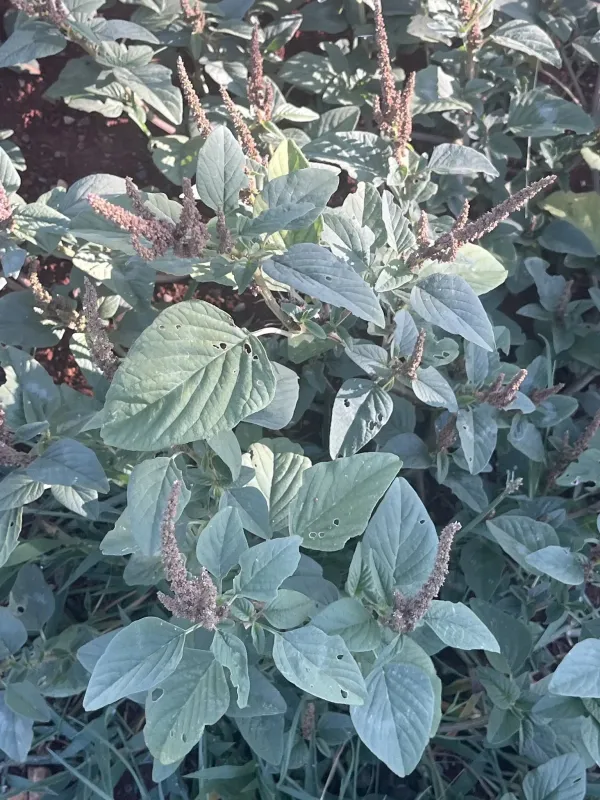
Description
Sowing dates
Green amaranth is a heat-loving crop; therefore, sowing should only commence once the soil temperature reaches +12...+15°C at a depth of 5-10 cm.
The optimal planting window is in late spring, ensuring that the risk of late frost, which can kill delicate seedlings, has passed.
For optimal biomass production, seeds are sown in rows spaced 45 to 60 cm apart to allow for vigorous development during the early growth stages.
Seed depth should be maintained at 2-3 cm in light soils, though shallower planting is recommended in heavy clay soils to ensure successful germination.
Because amaranth seeds are very small, thorough seedbed preparation and light rolling are essential to achieve uniform seedling emergence.
Growing requirements
As a member of the Amaranthaceae family, green amaranth is highly adaptable to various soil types and environmental conditions.
The plant exhibits exceptional drought tolerance due to its C4 photosynthetic pathway, which allows for efficient biomass accumulation during hot, dry weather.
Green amaranth requires full sun exposure and does not thrive in shaded areas, making it essential to choose open fields for cultivation.
Fertile sandy loam or well-drained loamy soils with a pH ranging from 6.0 to 7.5 are ideal for achieving high yields and robust plant growth.
Balanced fertilization, particularly with nitrogen, significantly boosts vegetative growth, though excessive moisture should be managed to prevent root issues.
Yield
The potential biomass yield of green amaranth can range from 30 to 50 tons per hectare depending on agricultural inputs and environmental conditions.
Due to its rapid growth and high regenerative capacity, the crop can provide multiple harvests in a single season in warmer climates.
The highest nutritional quality, specifically in protein content, is achieved by harvesting the plants during the early budding stage.
Integrating green amaranth into crop rotation systems helps improve soil structure and provides a sustainable source of high-quality forage.
Yield stability is generally high, provided that the crop is protected from weed competition during its critical early developmental window.
Main diseases and pests
Common agricultural pests, such as aphids and weevils, can target green amaranth, often causing damage to growing tips and slowing plant development.
Fungal diseases like powdery mildew may occur in high-humidity conditions, particularly in poorly ventilated or excessively dense stands.
Root rot is a significant risk in waterlogged soil, emphasizing the importance of proper site drainage and field management practices.
Weed management is typically achieved through mechanical inter-row cultivation since selective herbicide options are often limited for this crop.
- Crop rotation to reduce pest load
- Regular monitoring of plant health
- Strategic drainage management
Harvesting
Harvesting for forage is performed using standard forage harvesters during the flowering stage, ensuring high digestibility for livestock.
It is crucial to harvest at the right time; delaying the harvest causes stems to become fibrous, which significantly reduces nutritional value.
The harvested material should be processed immediately for silage or dried rapidly to prevent nutrient loss through fermentation or degradation.
For seed production, harvesting is carried out when the inflorescences change color, typically following a swathing process to allow final maturation.
Post-harvest storage requires cleaning and drying the seeds to a moisture level of 12-14% to ensure safe, long-term shelf life without spoilage.