
Joseph's coat
Amaranthus tricolor L.
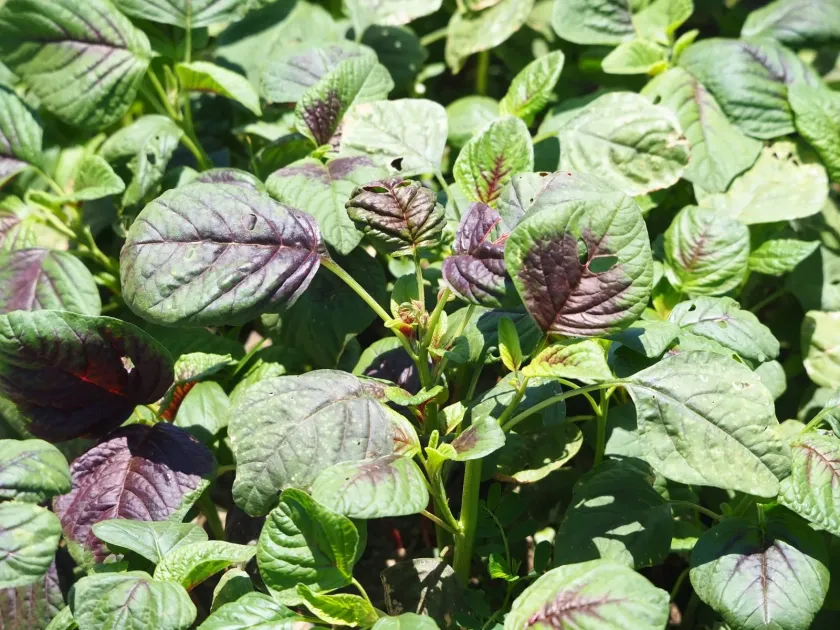
Description
Sowing dates
Amaranthus tricolor is typically sown directly into the soil once the danger of frost has passed and the ground temperature has warmed sufficiently, usually reaching at least 15-18 degrees Celsius.
The seeds are tiny and should be sown at a shallow depth of about 1 centimeter. For uniform distribution, gardeners often mix the seeds with dry sand before scattering them over the prepared seedbed.
For earlier performance, seeds can be started indoors in seed trays several weeks before the last expected frost. Seedlings should be hardened off before being transplanted into their permanent outdoor locations.
Proper spacing is crucial for this species. Depending on the specific variety, plants should be placed at intervals of 30 to 50 centimeters to ensure adequate airflow and sunlight penetration for each plant.
Germination typically occurs within one to two weeks under favorable conditions. Once the seedlings emerge, it is important to keep the soil moist but not waterlogged to support initial development.
Growing requirements
As a member of the Amaranthaceae family, this plant is highly light-demanding. To achieve its characteristic brilliant red, yellow, and green foliage, it requires full sun throughout the day.
The ideal soil is fertile, well-draining, and loose. While the plant can tolerate a range of soil types, it performs best in soils with a neutral to slightly alkaline pH and good organic matter content.
Watering should be consistent but moderate. While the plants are relatively drought-tolerant once established, they need supplemental water during prolonged heatwaves to maintain optimal growth rates.
Fertilization with a balanced, slow-release fertilizer at the start of the season usually provides enough nutrients for the plant to thrive throughout its lifecycle without excessive leafy growth.
Temperature is a key factor; this plant thrives in warm summer conditions. It will not tolerate frost, and even exposure to cold, damp weather can significantly stunt its growth or cause permanent damage.
Main diseases and pests
Pests such as aphids and spider mites can be problematic during hot, dry weather. They cluster on the undersides of leaves and on growing tips, causing distortion and stunted growth.
Fungal issues, including powdery mildew and root rot, often occur if the plants are placed too closely together or if the soil drainage is inadequate, leading to excessive moisture retention.
Soil-borne pests like wireworms may occasionally target the roots of young plants, causing them to wilt suddenly. Crop rotation is an effective preventive measure against these soil-based threats.
Good garden hygiene, such as removing weeds and infected plant debris, helps keep the incidence of pests and diseases to a minimum throughout the growing season.
- Monitor for early signs of aphid infestations.
- Ensure adequate spacing between plants to promote airflow.
- Avoid overhead irrigation during humid weather to prevent leaf diseases.