
Spiny amaranth
Amaranthus spinosus L.
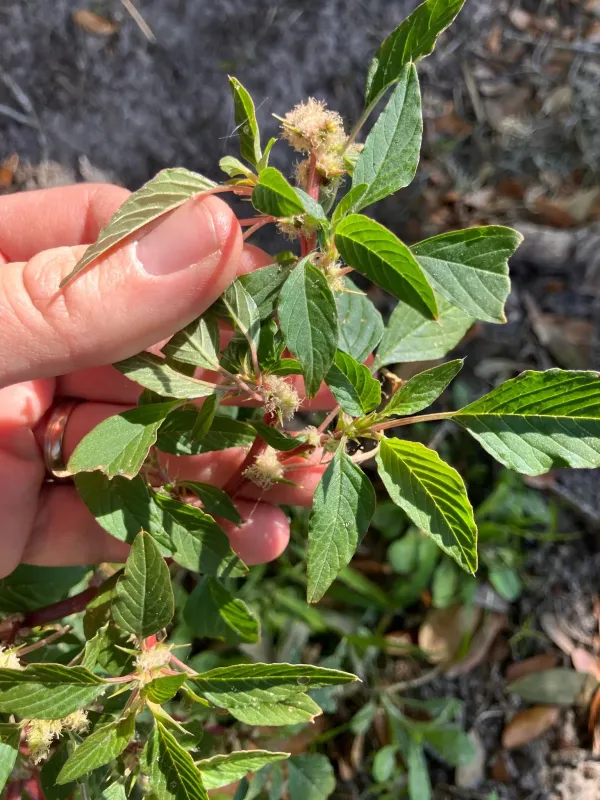
Description
Sowing dates
Spiny amaranth (Amaranthus spinosus L.) belongs to the Amaranthaceae family. It is an annual herbaceous plant, widely recognized in tropical and temperate regions for its high resilience and nutritional value as fodder.
Sowing begins once soil temperatures consistently stay above 15 degrees Celsius. Being a heat-loving plant, it cannot tolerate frost, which makes proper timing crucial for successful establishment.
A notable biological trait of this species is its aggressive growth rate. Under favorable conditions, it can reach significant height within a few weeks, outcompeting many other plant species.
The seeds are highly durable and can remain dormant in the soil for several years. This persistence is a key factor to consider when planning a crop rotation cycle on fields where it has grown.
Optimal light exposure is essential for the plant. Studies show that intense sunlight increases the biomass yield, whereas excessive shade results in stunted, thin stalks that are less suitable for harvesting.
Growing requirements
The plant thrives in fertile, well-drained loam soils. It shows a remarkable ability to extract nutrients from diverse soil types, provided there is adequate sun and warmth.
It prefers a neutral pH range. While it can survive on slightly acidic or alkaline soils, significant deviations will negatively impact its development and final yield quality.
Cultural management requires regular weeding in the early stages of growth to prevent competition. Once established, its deep taproot system allows it to access groundwater, reducing the need for constant irrigation.
The plant is highly responsive to balanced fertilization. Nitrogen promotes vegetative growth, while potassium enhances the plant's structural integrity and resistance to environmental stress.
Agricultural practice should ensure adequate spacing between plants. Proper ventilation is critical to prevent moisture buildup around the base, which is vital for maintaining plant health.
Main diseases and pests
While the spiny amaranth is robust, it is occasionally susceptible to fungal diseases such as white rust or damping-off if environmental conditions remain excessively humid for long periods.
Pest pressure is relatively low compared to other crops, largely due to the physical protection provided by its sharp spines located in the leaf axils, which deter many herbivores.
When considered a weed, chemical control is the primary method of management. Application of selective herbicides must occur before the onset of flowering to stop seed dispersal.
Mechanical destruction involves cutting the plants near the root collar. This method is most effective when executed before the plant reaches the reproductive stage of its life cycle.
Biological monitoring is recommended in areas where the plant is grown intentionally, focusing on checking for aphid infestations that can cluster around the tender terminal buds.
Harvesting
Harvesting for fodder should be prioritized during the vegetative phase, before the plant develops its signature spines and woody stems. This ensures maximum nutritional quality.
For seed production, the harvest occurs when the inflorescences turn a dark brown color. Timing is sensitive because the seeds are prone to shattering if harvesting is delayed.
Special care is needed during mechanical harvesting due to the sharp spines. Workers or automated harvesters must be prepared for the physical risks associated with handling this plant.
Post-harvest processing involves rapid drying to maintain the integrity of the proteins and vitamins. Proper ventilation in storage facilities is essential to prevent heating and spoilage.
The remaining biomass after harvesting can be composted, provided it is free from mature seeds, as the high organic content makes it an excellent addition to soil health programs.