
Alpinia vittata
Alpinia vittata
Description
Growing requirements
Alpinia vittata is a striking ornamental perennial belonging to the Zingiberaceae (Ginger) family. Native to the tropical forests of the Pacific Islands, this species thrives in warm, humid conditions with dappled sunlight.
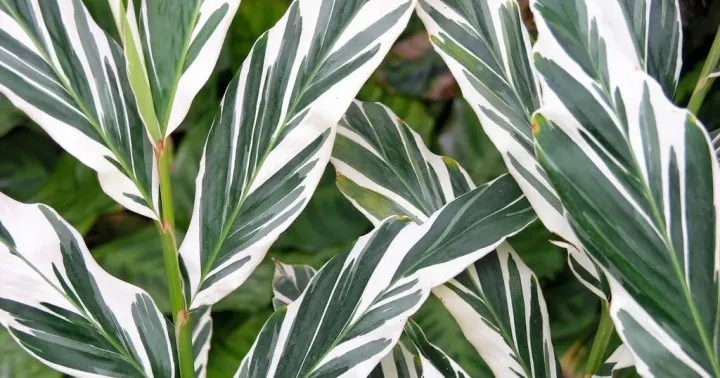
The plant is distinguished by its lanceolate leaves featuring vivid white or creamy stripes, making it a prized choice for both landscape design and indoor horticulture. It possesses a robust rhizomatous root system, with stems typically reaching heights of 60 to 120 centimeters in controlled environments.
Successful cultivation requires a loose, well-draining soil rich in organic matter. The optimal pH range for the substrate is slightly acidic to neutral, which ensures efficient nutrient uptake and maintains the vibrancy of the foliage patterns.
The crop is highly sensitive to temperature fluctuations; it cannot withstand frost and requires stable temperatures ranging from 20 to 28 degrees Celsius. Maintaining high humidity is crucial, as low humidity levels cause the foliage to lose turgor and overall aesthetic appeal.
Agronomic management includes regular irrigation without waterlogging the root zone, supplemented by monthly applications of balanced mineral fertilizers during the active growing season. During winter, watering should be reduced to provide the plant with a period of dormancy under moderate light.
Main diseases and pests
The primary threats to Alpinia vittata are often associated with improper watering and humidity control. Stagnant water frequently triggers root rot caused by fungal pathogens, which can rapidly compromise the health of the entire plant.
Among common pests, spider mites and scale insects are the most problematic, particularly thriving in environments with low air humidity. Routine inspections of the undersides of leaves are essential to detect and manage pest populations early.
To control infestations, systemic acaricides and insecticides should be applied. Prevention involves regular cleaning of the leaves and ensuring adequate air circulation around the plant foliage to minimize stress.
Furthermore, leaf spot diseases can occur if ventilation is poor. To prevent fungal infections, it is recommended to avoid overcrowded planting schemes and to practice targeted irrigation at the base of the plant, preventing moisture accumulation on the leaf surfaces.
Periodic repotting and the use of sterile growing media significantly reduce the risk of soil-borne pests and pathogenic outbreaks, ensuring the continued health and vigorous growth of this ornamental species.