
Alpinia caerulea
Alpinia caerulea
Description
Sowing dates
Sowing seeds of Alpinia caerulea should be performed in early spring to take advantage of increasing daylight hours. The germination process requires temperatures between 22 and 25 degrees Celsius for optimal results.
The seeds possess a hard coat that often benefits from pre-soaking in warm water for 24 hours. This practice helps to soften the seed coat and significantly improves the uniformity of germination.
A well-draining, peat-based soil mixture is highly recommended for sowing. The seeds should be covered lightly with a thin layer of substrate and kept in a high-humidity environment until the first shoots appear.
During the early stages, it is critical to avoid cold drafts. Placing the seedling trays in a warm, sheltered location will promote faster establishment and stronger root development.
Once the seedlings are large enough to handle, they should be transplanted into individual containers. Careful handling of the root system is essential to minimize transplant shock and encourage rapid growth.
Growing requirements
Alpinia caerulea, commonly known as native ginger, is a member of the Zingiberaceae family. It is indigenous to the rainforests of eastern Australia and thrives in environments that mimic its natural tropical habitat.
The plant prefers bright, indirect light. While it can tolerate some morning sun, exposure to intense midday sunlight should be avoided to prevent leaf scorch and dehydration of the foliage.
Regarding soil conditions, this culture requires a rich, loamy, and slightly acidic medium. High organic matter content is beneficial, but the soil structure must allow for efficient water drainage to prevent waterlogging.
Consistent moisture is key to the health of Alpinia caerulea. However, the surface of the soil should be allowed to dry slightly between waterings to prevent fungal issues around the rhizomes.
High relative humidity is necessary for successful long-term cultivation. In indoor environments, regular misting or the use of pebble trays with water will help maintain the moisture levels required for lush leaf growth.
Main diseases and pests
The most significant threats to Alpinia caerulea include root rot caused by poor soil drainage and overly frequent watering. This pathogen complex often manifests as yellowing of leaves and sudden wilting.
Spider mites are common pests that thrive in dry air conditions. Regular checks of the undersides of the leaves and maintaining adequate humidity are the best preventative measures against these infestations.
Scale insects can also attach themselves to the stems and leaf axils, sucking the plant sap and weakening the overall vigor of the plant. Manual removal combined with horticultural oil applications is usually effective.
Fungal leaf spots can occur when air circulation is poor in enclosed spaces. Ensuring adequate space between individual plants helps reduce the incidence of such foliar diseases.
Mealybugs represent another potential pest that hides in crevices, causing stunted growth. Treating the plant early with systemic insecticides or neem oil can effectively control the population before it spreads.
Harvesting
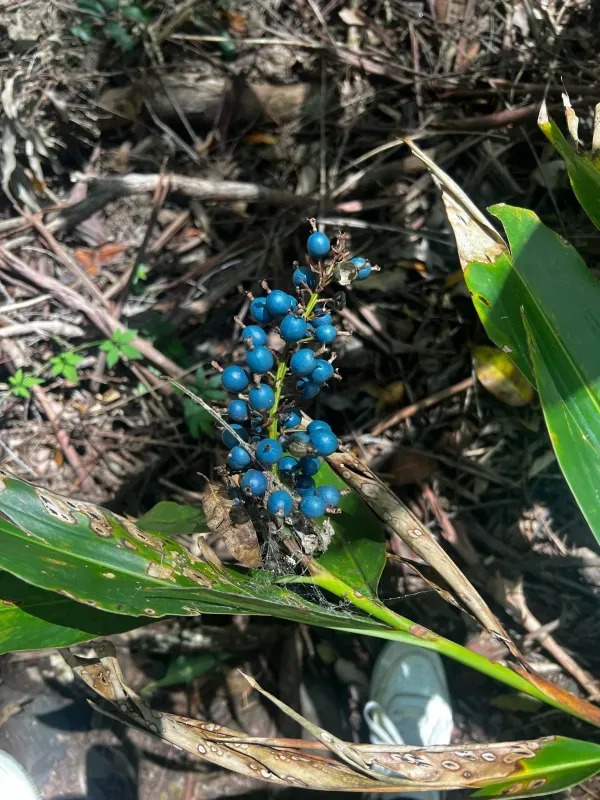
The harvest of the fruits, which are distinctively blue, is usually performed when they reach full maturity and display their characteristic color. These fruits are known to be edible and have a mild ginger-like flavor.
Care should be taken when harvesting to avoid damaging the rhizome system. Using sharp, sanitized tools will help prevent the entry of pathogens into the main plant body.
In addition to the fruits, the rhizomes themselves are sometimes harvested for their aromatic qualities in traditional culinary or medicinal applications. The rhizomes are typically lifted from the soil after the foliage has matured.
Post-harvest handling involves drying the fruits or rhizomes in a cool, well-ventilated area. Proper storage in dry conditions prevents the development of post-harvest molds.
If the harvest is intended for long-term storage, the plant material should be kept in a cool, dark place with consistent humidity control. This preserves the aromatic compounds and nutritional value of the harvest.