
Chinese alpinia
Alpinia chinensis
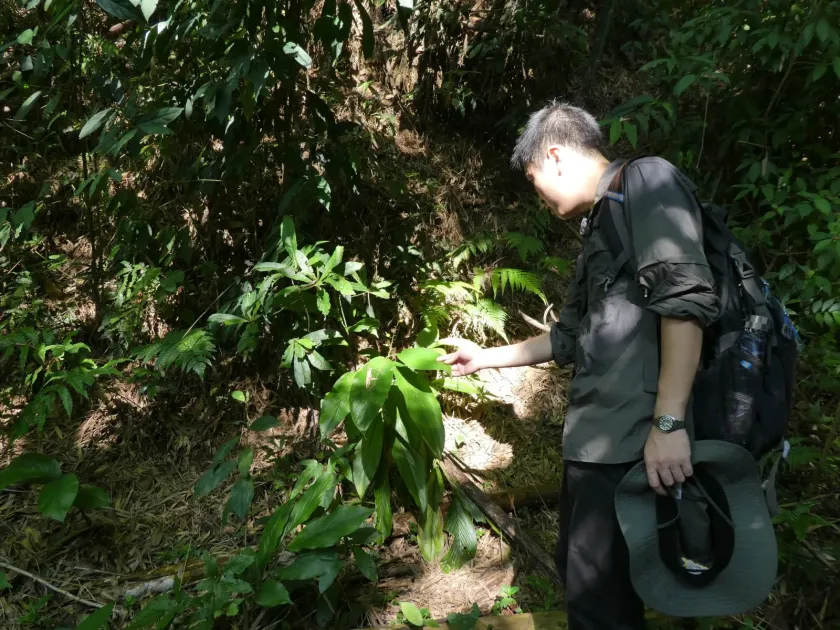
Description
Growing requirements
Chinese alpinia (Alpinia chinensis) is a robust perennial herb belonging to the Zingiberaceae family. It is highly valued for its aromatic rhizomes and distinct foliage, which are common in traditional culinary and medicinal practices.
The plant originates from the tropical and subtropical regions of East Asia. It thrives in warm, humid environments where temperature fluctuations are minimal, ensuring year-round growth and development.
Cultivation requires well-drained, nutrient-rich soil with a slightly acidic profile. Proper drainage is essential to prevent waterlogging, as the rhizomes are prone to rotting in excessively damp, stagnant soil conditions.
Chinese alpinia prefers partial shade, as intense direct sunlight can cause leaf scorching and reduce the overall health of the plant. In cooler climates, cultivation is restricted to climate-controlled greenhouses or interior agricultural settings.
Agricultural management involves consistent irrigation and balanced fertilization to promote vigorous biomass production. Maintaining optimal plant spacing is also crucial for air circulation and disease prevention.
Yield
The primary economic value of Chinese alpinia lies in the extraction of essential oils and the harvesting of rhizomes for the spice industry. Yields are heavily dependent on cultivation density and the environmental stability of the site.
Rhizomes typically reach harvestable maturity after three to four years of consistent growth. Premature harvesting can result in lower oil yields and reduced aromatic intensity in the final product.
Post-harvest handling is critical for quality control. Rhizomes must be cleaned, washed, and dried using specialized techniques to ensure that the volatile oils are preserved effectively for storage and transport.
Strategic planting cycles are employed to maintain continuous supply, ensuring that the labor-intensive harvest is managed efficiently throughout the season. Proper fertilization can boost biomass accumulation significantly.
Modern agrotechnological practices aim to increase the efficiency of active compound extraction, making the cultivation of Alpinia chinensis a commercially viable option for specialty crop farmers.
Main diseases and pests
Fungal diseases, particularly those affecting the root system, represent the most significant threat to Chinese alpinia production. These are often triggered by improper moisture management and excessive soil saturation.
Nematodes are a frequent pest concern, causing damage to the rhizomes and hindering plant vigor. Additionally, aphids and various mites may target the leaves, necessitating routine monitoring and intervention.
Disease control relies on a prophylactic approach, including the use of healthy, disease-free starter material and maintaining appropriate spacing. Implementing crop rotation techniques further reduces soil-borne pathogen risks.
In cases of infestation, integrated pest management (IPM) strategies are recommended to minimize chemical input while protecting the crop. Regular weeding is also vital to reduce the presence of alternative hosts for pests.
Maintaining high hygiene standards in the field, including the sanitization of tools and equipment, is essential for mitigating the spread of viral and fungal infections within the crop area.