
Alpinia arctiflora
Alpinia arctiflora
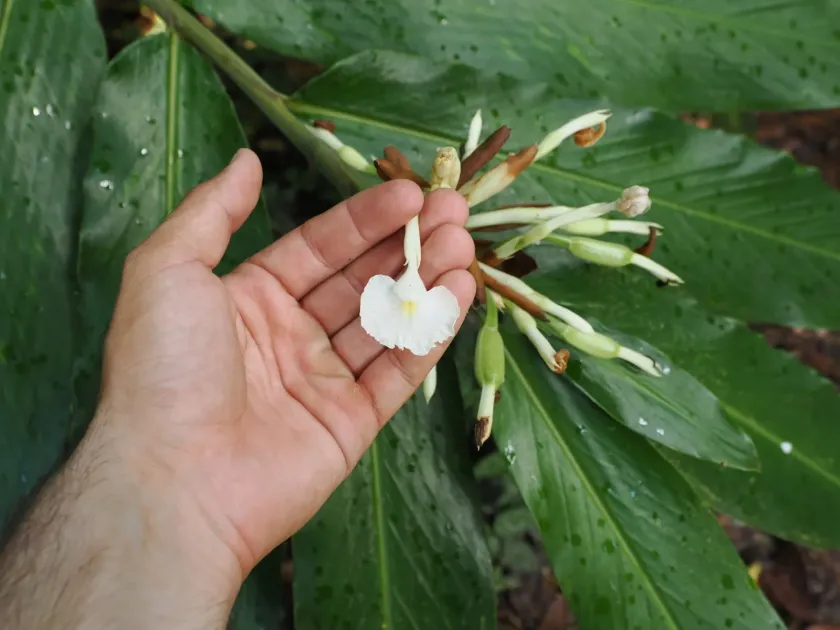
Description
Growing requirements
Alpinia arctiflora is a perennial herb belonging to the Zingiberaceae family. This species originates from the tropical rainforests of Australia, thriving in habitats characterized by dense vegetation and consistently high humidity levels.
To successfully cultivate this species, it is essential to mimic its native environment by maintaining ambient temperatures between 20°C and 28°C. The plant is sensitive to cold stress and frost, necessitating greenhouse conditions in non-tropical climates.
The soil requirements focus on high organic content and excellent drainage. A loose, slightly acidic substrate is ideal, as stagnant water in the root zone quickly leads to physiological stress and pathogen proliferation.
Maintenance of Alpinia arctiflora requires a strict watering schedule where the soil stays moist but never saturated. Foliar feeding or slow-release fertilizers are recommended during the peak growth months to support its lush leaf production.
This crop is primarily utilized in ornamental horticulture and botanical research. Its unique floral architecture makes it a desirable plant for collections focusing on rare Zingiberaceae species and exotic botanical displays.
Main diseases and pests
The primary threats to this plant involve fungal diseases such as root rot and leaf spot, typically exacerbated by poor air circulation and excessive moisture. Sanitation and preventative fungicide application are vital in controlled environments.
Insect pests, specifically spider mites and mealybugs, are frequent challenges. These organisms thrive in dry, stagnant air conditions, making regular monitoring and appropriate humidity management essential for keeping the plant in prime condition.