
Alpinia conchigera
Alpinia conchigera
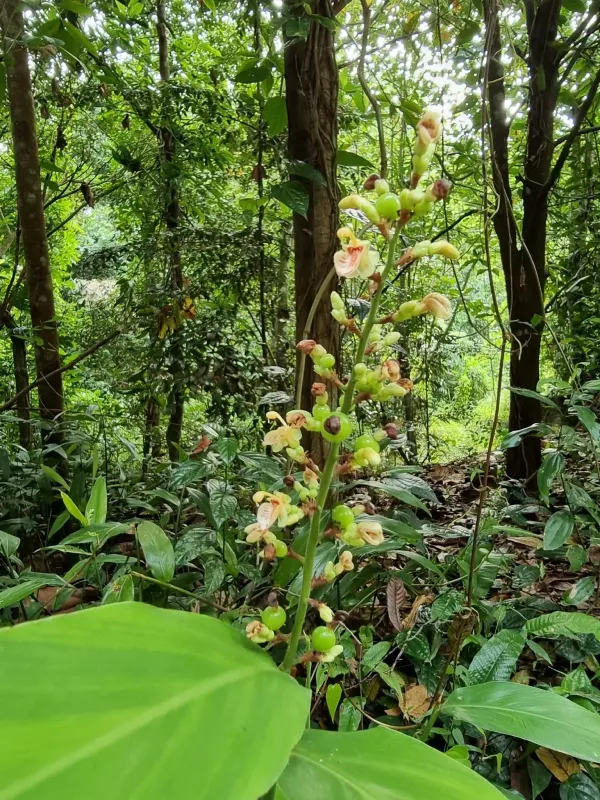
Description
Growing requirements
Alpinia conchigera is a perennial herb belonging to the Zingiberaceae family. This species is indigenous to Southeast Asia, specifically found in the tropical landscapes of Thailand, Malaysia, and parts of Indonesia where it grows in humid environments.
The botanical structure of the plant features horizontal rhizomes and leafy stems reaching significant heights. It thrives in tropical climates where high ambient temperatures and consistent annual rainfall provide optimal growth conditions throughout the year.
Soil requirements for this crop focus on high organic matter content and excellent water permeability. Sandy loam soils, enriched with compost or leaf mold, are considered ideal for promoting healthy rhizome development and rapid vegetative expansion.
Agricultural management requires careful irrigation planning to maintain soil moisture without causing waterlogging, which is detrimental to the health of the root system. Partial shade is often preferred to mimic the natural rainforest understory habitat.
Economically, Alpinia conchigera is valued for its rhizomes, which are used as a spice in regional cuisine and as a source of bioactive compounds in pharmacology. The aromatic properties of the plant make it a significant commodity in local markets.
Main diseases and pests
The most significant agronomic threat to Alpinia conchigera is the development of rhizome rot caused by various soil-borne fungi. This is primarily a result of poor soil drainage and excessive irrigation.
Pathogenic organisms thrive in waterlogged anaerobic conditions, necessitating the implementation of elevated beds or improved drainage systems in high-density plantations.
Pest pressures primarily include spider mites, which can proliferate during periods of low air humidity, severely damaging the foliage and reducing the plant's overall vitality.
Scale insects and aphids may also colonize the stems, necessitating regular inspection of the crop to prevent localized infestations from spreading across the field.
Integrated pest management strategies involve maintaining proper plant spacing to ensure airflow, alongside early detection and the use of sustainable control methods to protect the crop yield.