
Alpinia formosana
Alpinia formosana
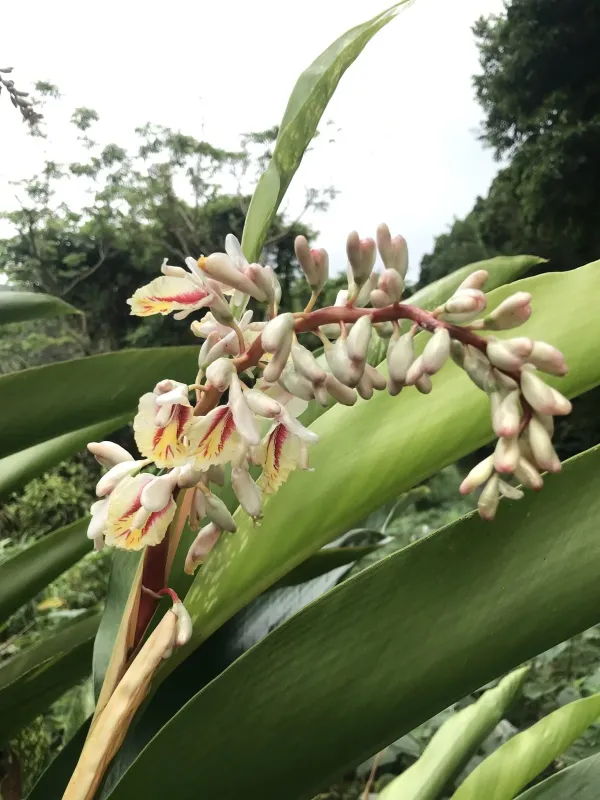
Description
Growing requirements
Alpinia formosana is a perennial herbaceous plant belonging to the Zingiberaceae family. Originally native to Taiwan, this species is well-adapted to humid, shaded forest environments, characterized by its long, lance-shaped foliage and strong, aromatic rhizomes.
Botanically, it features upright pseudostems that grow from a thick, creeping rhizome. The leaves are often variegated or have a distinct dark green color, making the plant both an ornamental feature and a specialized crop for herbal and extract production.
The plant requires a warm, tropical or subtropical climate to thrive. Temperature stability is crucial, and it performs best in temperatures between 20°C and 30°C. Cold exposure or frost can severely damage the rhizome and hinder future growth cycles.
Soil requirements focus on high organic matter content, excellent drainage, and slightly acidic pH levels. Water logging is the most common cause of failure in cultivation; therefore, providing a porous substrate is essential for healthy root development.
Agrotechnical practices involve consistent irrigation during the peak growing season to maintain soil moisture without saturating it. Regular application of nitrogen-rich fertilizers helps in biomass production, which is necessary for the development of harvestable rhizomes.
Yield
The yield of Alpinia formosana is measured by the biomass of the harvested rhizomes. Harvesting is typically done after a 2- to 3-year growth cycle to allow sufficient concentration of secondary metabolites, ensuring high quality for pharmaceutical or botanical applications.
Main diseases and pests
Typical threats include soil-borne fungal pathogens like Pythium, which thrive in wet conditions. Pests such as spider mites and mealybugs can also infest the leaves. Integrated pest management, focusing on humidity control and timely inspection, is recommended.