
Alpinia aquatica
Alpinia aquatica
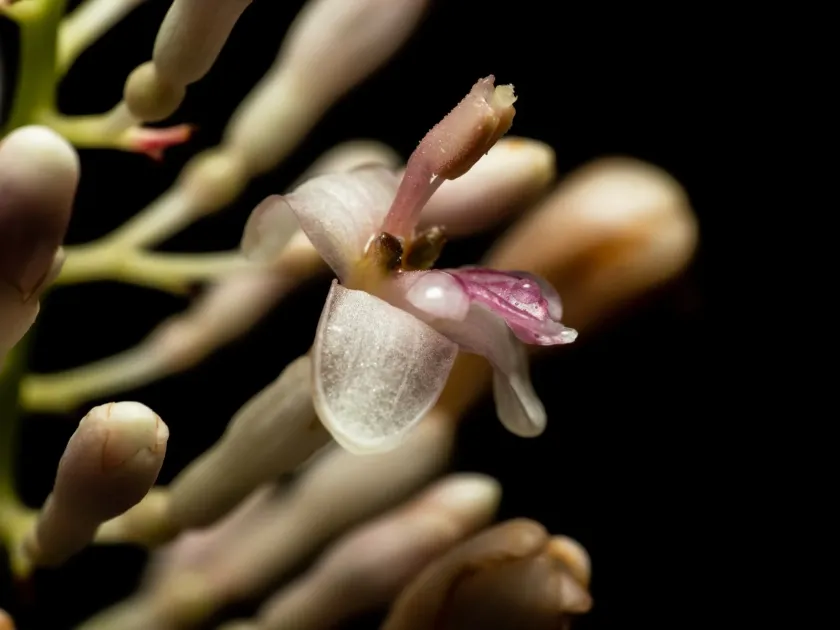
Description
Growing requirements
Alpinia aquatica is a perennial herbaceous plant belonging to the Zingiberaceae family. This species is specifically adapted to riparian zones and wetlands within tropical environments, where it plays a significant role in the local ecosystem by stabilizing riverbanks.
The plant features robust rhizomes that spread underground, allowing it to form extensive colonies. Its leaves are lanceolate, glossy, and possess the aromatic properties common to the ginger family, making them potentially valuable for essential oil production and botanical research.
Cultivation requires a tropical climate with high humidity and consistent warmth throughout the year. The species thrives in temperature ranges between 22 and 30 degrees Celsius and is highly intolerant to cold spells or frost, which can cause severe physiological damage to the rhizomes.
Soil requirements focus on high water retention and acidity levels that mirror marshland conditions. Optimal growth is achieved in nutrient-rich alluvial soils where organic matter content remains high, facilitating the vigorous development of the root system.
Economic and agricultural usage includes the extraction of bioactive compounds for pharmacological purposes and its application in ornamental horticulture. Its unique ability to grow in saturated soils makes it a candidate for bio-remediation projects in tropical wetland management.
Main diseases and pests
The primary threats to this species include soil-borne pathogens such as Pythium and Phytophthora, which thrive in stagnant, poorly aerated water. These diseases can lead to rapid rhizome rot if the moisture levels are not managed alongside proper drainage patterns.
Pest pressure mainly comes from leaf-mining insects and spider mites during the drier seasons. Integrated pest management, focusing on biological controls and maintaining proper ambient humidity, is essential for protecting the health of the cultivation beds.