
Alpinia stachyodes
Alpinia stachyodes
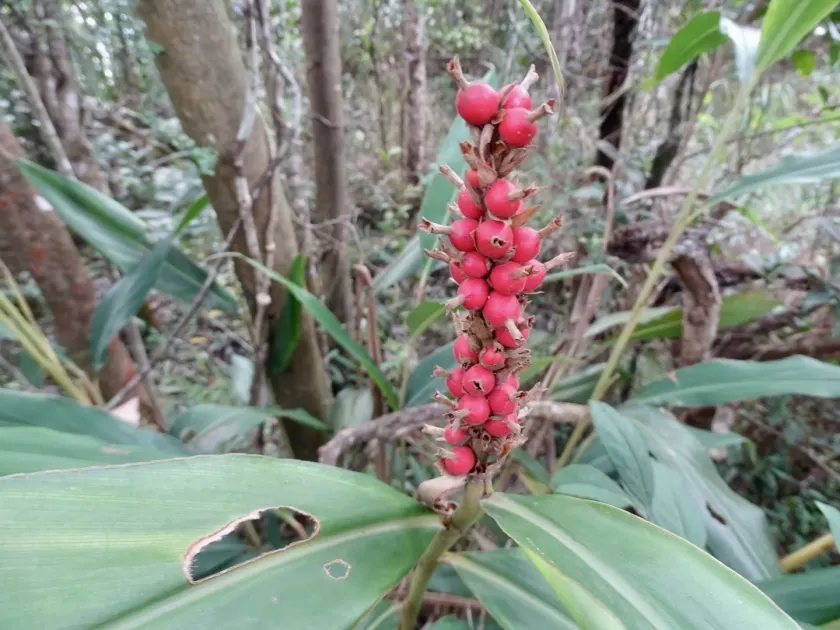
Description
Growing requirements
Alpinia stachyodes is a perennial herb belonging to the Zingiberaceae family. It is native to the tropical forests of Southeast Asia and Southern China, where it thrives in shaded and humid environments.
The plant requires a tropical climate to grow effectively. It is highly sensitive to frost, so the temperature should ideally remain between 22°C and 28°C throughout the growing season for optimal development.
Soil requirements involve a rich, moisture-retentive, yet well-drained substrate. It is best to use a mix high in organic matter to mimic the forest floor conditions where the plant naturally evolves.
Regarding light, Alpinia stachyodes prefers bright but filtered sunlight. Direct exposure to intense solar radiation can cause leaf scorch and damage the delicate tissues of the foliage.
Agrotechnical maintenance includes consistent watering and high air humidity. During the peak of the growing season, regular fertilization with a balanced liquid nutrient solution is recommended to support foliage production.
Main diseases and pests
Common threats to this culture include fungal pathogens, particularly root rot, which occurs if the soil drainage is inadequate. Overwatering in cooler periods is a primary cause of plant death.
Pests such as spider mites and mealybugs can infest the plant, especially in low-humidity environments. Regular inspection of the undersides of the leaves is advised to catch infestations early.
To prevent diseases, ensure adequate air circulation around the plants. Proper spacing in ornamental plantings is crucial for minimizing the buildup of excess moisture that triggers pathogens.
If an infestation occurs, horticultural soaps or organic neem oil treatments are often effective. Avoiding harsh chemical pesticides is recommended to protect the plant's delicate system and the surrounding environment.
Sanitation practices, including the removal of dead or decaying leaf matter, are essential to maintain the health of the rhizome system and prevent potential bacterial infections.