
Alpinia roxburghii
Alpinia roxburghii
Description
Growing requirements
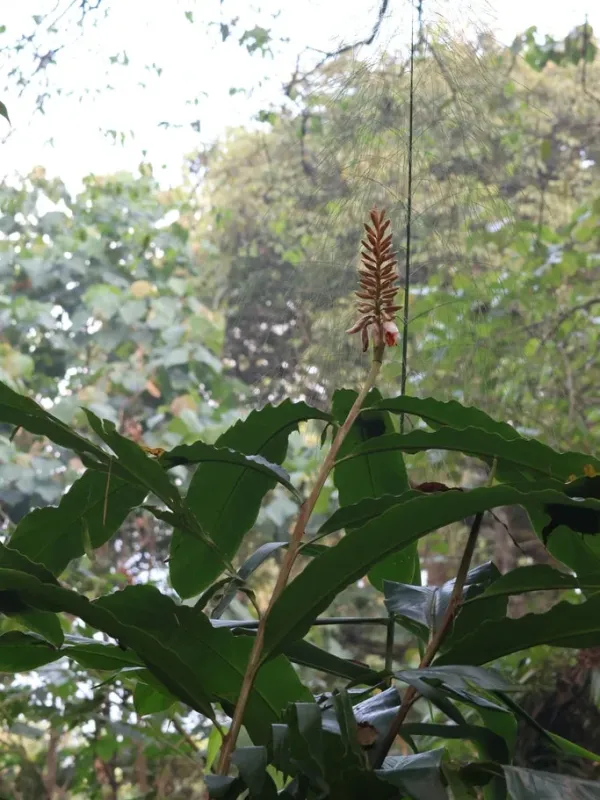
Alpinia roxburghii is a perennial herbaceous plant belonging to the Zingiberaceae (ginger) family. Native to the tropical regions of Southeast Asia, it thrives in warm, humid environments. The plant is characterized by its robust rhizomes and tall, leafy stems that typically grow in clumps, creating dense vegetation in forest understories.
The plant features lush, lance-shaped leaves that can grow up to several dozen centimeters in length. The flowering mechanism produces terminal inflorescences with attractive, small flowers. Its architectural form makes it not only a crop of interest but also a popular ornamental plant in tropical landscaping.
Successful cultivation requires soil that is rich in organic matter, well-draining, and slightly acidic to neutral in pH. The rhizomes are prone to rot if the soil remains saturated for extended periods, making proper drainage design essential for field or greenhouse management. Frequent but moderate irrigation is key.
Climate requirements for this species are strictly tropical. It prefers temperatures between 20°C and 30°C and requires high ambient humidity. Exposure to cold drafts or temperatures below 10°C can cause significant stress or dormancy, making it unsuitable for open-field farming in temperate zones.
The agricultural value of Alpinia roxburghii lies in its aromatic properties and potential medicinal applications. The rhizomes are extracted for essential oils used in the perfume and pharmaceutical industries. It is also used as a traditional aromatic ingredient in local cuisines, prized for its unique flavor profile.
Main diseases and pests
The primary threats to this crop include fungal pathogens that attack the rhizomes, especially when planting density is too high or ventilation is insufficient. Root rot is the most common issue, often leading to plant collapse. Maintaining good air circulation is crucial for disease prevention.
Insect pests, including spider mites and various scale insects, often infest the foliage, particularly in greenhouse environments. These pests can weaken the plant by extracting sap. Regular inspections and the implementation of integrated pest management practices are recommended to ensure crop health and yield quality.