
Alpinia pumila
Alpinia pumila
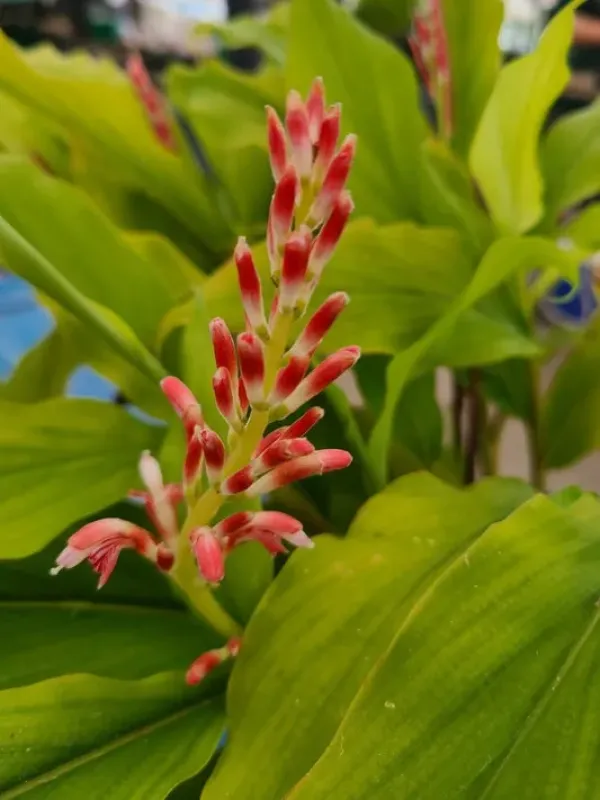
Description
Growing requirements
Alpinia pumila is a compact herbaceous perennial belonging to the Zingiberaceae family. Unlike many taller members of the genus, this species is prized for its low-growing habit, making it an excellent candidate for specific ornamental purposes and tropical greenhouse collections.
The plant originates from the subtropical forests of East Asia, specifically regions within China. Its natural habitat dictates its specific needs, including a preference for humid environments and protection from the direct, intense rays of the sun.
Cultivation requires a well-draining, loose substrate rich in organic matter. Maintaining consistent moisture in the soil is crucial for healthy root development, though care must be taken to avoid waterlogging, which can easily lead to root rot.
The ideal temperature range for this species is between +18 and +25 degrees Celsius. It is highly sensitive to cold, making it unsuitable for outdoor growth in temperate climates unless protected in a controlled environment.
Regarding light requirements, Alpinia pumila thrives in bright, indirect light. In a greenhouse or interior setting, filtered sunlight is essential to prevent leaf scorch and ensure the plant maintains its vibrant green appearance.
Main diseases and pests
Fungal diseases are the primary threats to Alpinia pumila, particularly those caused by overly moist soil conditions. Root rot is a common issue that occurs when the substrate remains saturated for too long, restricting oxygen access to the roots.
Pests such as spider mites and mealybugs can infest the plant, especially in indoor environments where air humidity is low. Regular monitoring of the underside of leaves is recommended to catch infestations at an early stage.
Leaf spot diseases may also occur, often signaling that the plant is stressed by poor air circulation or contaminated irrigation water. Keeping the foliage clean and dry during evening hours helps to minimize these risks.
Effective management of these threats involves a combination of cultural practices, such as proper spacing and watering, and the application of fungicides or insecticides when necessary. Using high-quality, disinfected pots is also vital.
Ultimately, a vigorous plant is less prone to attacks, so providing optimal growing conditions serves as the best form of preventative care. Proper fertilization and routine cleaning of the leaves are also recommended to keep the plant resilient.