
Alpinia oxyphylla
Alpinia oxyphylla
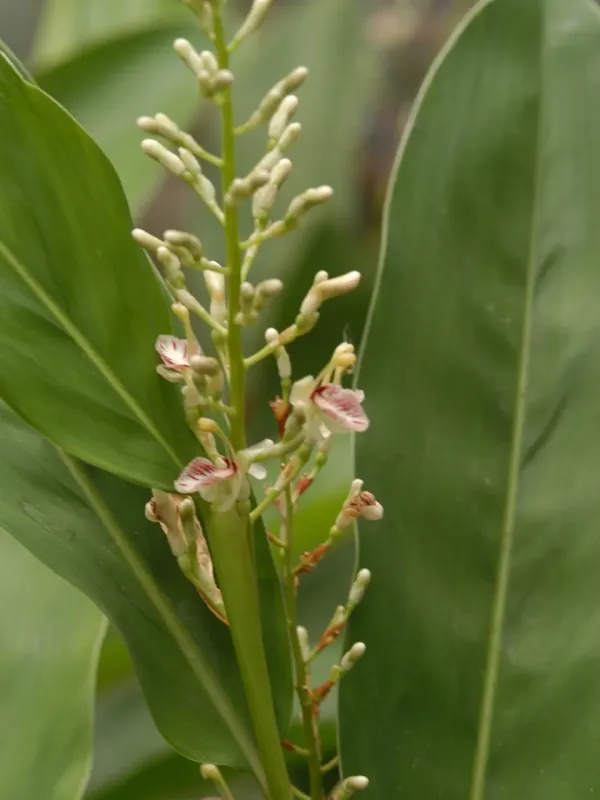
Description
Growing requirements
Alpinia oxyphylla, commonly known as sharp-leaf alpinia, is a perennial plant belonging to the Zingiberaceae (ginger) family. It originates from the tropical regions of Southern China and Southeast Asia.
The plant thrives in fertile, well-draining soil that is rich in organic matter. It prefers a shaded or semi-shaded environment, as direct tropical sunlight can cause leaf burn and stress the root system.
Optimal growth is achieved at temperatures between 20°C and 30°C. High ambient humidity is crucial for this species, especially when cultivated in greenhouses or non-native climatic zones.
Agricultural practices involve consistent watering to keep the substrate moist but not waterlogged. Regular mulching is recommended to maintain soil temperature and moisture balance.
The plant is highly valued for its fruit, known as 'Yi Zhi' in traditional medicine, which contains essential oils used for digestive and anti-inflammatory formulations.
Main diseases and pests
The main threats to Alpinia oxyphylla are fungal pathogens, particularly root and rhizome rots caused by over-irrigation or stagnant water in the soil.
Insect pests such as spider mites and mealybugs are prevalent in dry indoor environments, attacking the foliage and reducing overall plant vitality.
Preventative measures include maintaining adequate ventilation and spacing between plants to prevent the buildup of humidity-loving fungal spores.
If an infection occurs, systemic fungicides and eco-friendly acaricides are used to manage the population without damaging the delicate plant tissues.
Maintaining rigorous sanitation, such as removing fallen leaves and pruning dead shoots, significantly lowers the risk of pest colonization and disease outbreaks.
Harvesting
The harvest primarily involves the collection of mature fruits. Collectors look for a dark, firm pericarp, indicating that the seeds inside are fully developed and potent.
Harvesting is labor-intensive and performed manually. Great care is taken to ensure the flowering stalks are not damaged during the removal of the fruits.
Post-harvest processing involves immediate drying. Drying at low temperatures preserves the volatile oils that contribute to the medicinal properties of the plant.
Storage requires cool, dry, and dark conditions to prevent rancidity of the oils and to maintain the shelf life of the dried botanical material.
Standard yields depend on soil quality and the age of the rhizome clumps; mature plants generally provide the highest output of high-quality fruit.