
Alpinia oblongifolia
Alpinia oblongifolia
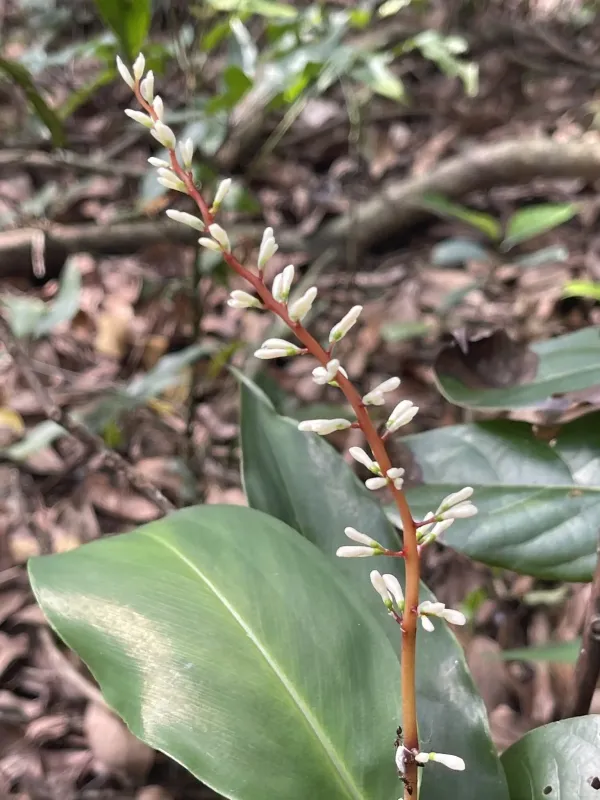
Description
Sowing dates
Alpinia oblongifolia is a perennial rhizomatous plant belonging to the Zingiberaceae family, valued for its medicinal and culinary properties.
Propagation is primarily achieved through rhizome division, which ensures the maintenance of genetic traits and promotes vigorous early growth.
Planting is ideally scheduled for the spring season when soil temperatures reach a steady 20–22°C, facilitating root establishment.
Seeds may be used for propagation, though they require specific conditions, including high humidity and warmth, to overcome long dormancy periods.
After transplanting, young plants require careful monitoring and consistent soil moisture to support the development of their rhizome system.
Growing requirements
As a tropical species, this crop thrives in warm environments with optimal temperatures ranging between 24°C and 28°C.
The soil must be well-drained, porous, and rich in organic matter to support the rapid growth of subterranean parts without risk of rot.
Alpinia oblongifolia prefers a soil pH between 6.0 and 7.0, benefiting from regular applications of organic fertilizers throughout the growing season.
Light intensity should be managed; the plants prefer bright, indirect light, as direct sun exposure can scorch the broad, elongated leaves.
Adequate air circulation and high atmospheric humidity are essential components of the agro-technical regime for this culture.
Yield
The economic focus is on the harvest of rhizomes, which are rich in volatile oils, sesquiterpenes, and other bio-active compounds.
Commercial yields typically peak in the third or fourth year of cultivation, necessitating a planned cycle of planting and harvesting.
Proper nutrient management, particularly with balanced NPK levels, is crucial for maximizing the biomass of the root harvest.
Intensive cultivation techniques in protected environments can yield significant output per hectare, provided the climate is strictly controlled.
Quality control is vital; the concentration of active ingredients varies based on harvest timing and post-harvest drying practices.
Main diseases and pests
Fungal pathogens, particularly those causing root rot, represent the primary threat to Alpinia crops under high-humidity conditions.
Poor ventilation within greenhouses often leads to increased disease pressure and the rapid spread of soil-borne infections.
Pests such as spider mites and scale insects are common in protected environments and can significantly weaken the plants if unchecked.
Integrated pest management, focusing on biological controls and proper spacing, is recommended to safeguard the crop.
Early detection through frequent field inspections allows for timely interventions, preventing extensive damage to the root system.
Harvesting
Harvesting is performed at the end of the vegetative cycle, indicated by the yellowing and drying of the plant's aerial foliage.
Rhizomes are carefully excavated to avoid physical breakage, as damaged roots are more susceptible to post-harvest decay.
Once gathered, the material is cleaned of debris and soil before being processed for storage or immediate market distribution.
Drying is a critical phase where temperature must be kept below 45°C to preserve the integrity of the essential oils and medicinal properties.
Storage should occur in a cool, dry, and ventilated facility, ensuring the longevity and quality of the final agricultural product.