
Alpinia nutans
Alpinia nutans
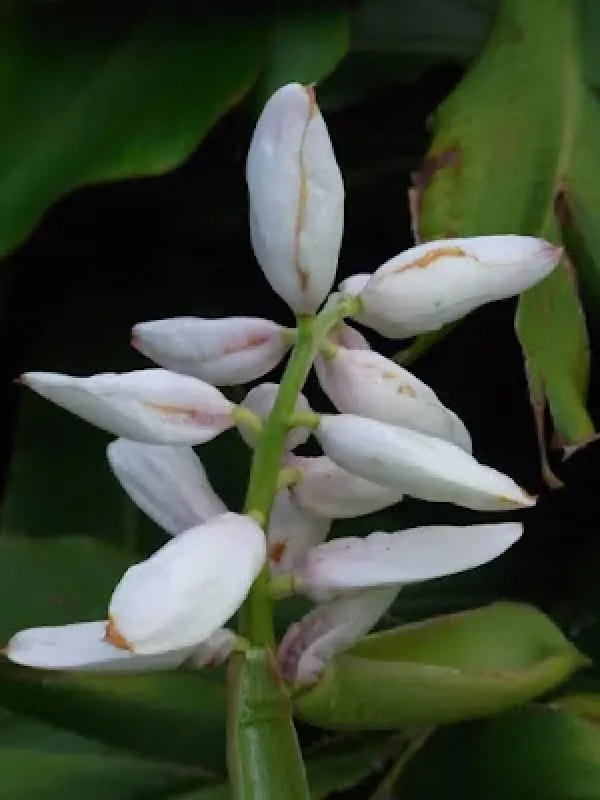
Description
Growing requirements
Alpinia nutans is a perennial herbaceous plant belonging to the Zingiberaceae family. Naturally occurring in tropical Asian regions, it thrives in warm, humid habitats.
The plant has strict temperature requirements. Being a heat-loving species, it cannot tolerate frost, which makes it suitable primarily for greenhouse or indoor cultivation in temperate climates.
For successful growth, Alpinia nutans needs fertile, well-drained soil with a neutral to slightly acidic pH. Maintaining consistent moisture in the substrate is crucial, as root system dehydration can severely impact plant health.
In indoor conditions, this plant requires bright, indirect light. Direct sunlight can cause leaf scorch, so providing slight shade during the hottest months is highly recommended.
Agricultural practices include regular fertilization using organic or mineral compounds during the active growing season. The plant responds well to high air humidity, which is vital for maintaining its decorative leaf quality.
Main diseases and pests
The main threats to the crop, primarily resulting from improper irrigation, are root rots caused by waterlogging. Ensuring effective drainage in pots or fields is a key preventive measure.
In greenhouse settings, the plant is susceptible to spider mites and scale insects. Routine leaf inspection and maintaining optimal air humidity are the best ways to keep these pests at bay.
Leaf spot disease, caused by fungal pathogens, may develop if ventilation is poor. Early detection followed by the removal of affected parts and fungicide application is necessary.
Insufficient light or sudden temperature fluctuations can lead to leaf drop and stunted growth, making the plant more susceptible to opportunistic infections.
Insecticide use must be strictly monitored. In modern cultivation, biological pest control is preferred to ensure the purity and safety of the essential oils produced from the plant.
Harvesting
The economic use of Alpinia nutans spans the pharmaceutical and perfume industries. Its leaves and rhizomes contain essential oils with a distinct aroma reminiscent of cardamom or ginger.
In traditional medicine of various regions, parts of the plant are utilized for their antiseptic and aromatic properties. Harvesting occurs when the plant reaches maturity, typically toward the end of the growth cycle.
When used in ornamental gardening, the plant is prized for its spectacular nodding inflorescences and large, glossy leaves that add a tropical aesthetic to any landscape.
Large-scale commercial production is limited to tropical zones. Harvesting rhizomes requires precision to avoid damaging vegetative buds, which are essential for the plant's propagation.
After collection, the raw material is typically processed via drying or steam distillation to extract essential oil. Proper storage ensures the preservation of aromatic qualities over extended periods.