
Alpinia nobilis
Alpinia nobilis
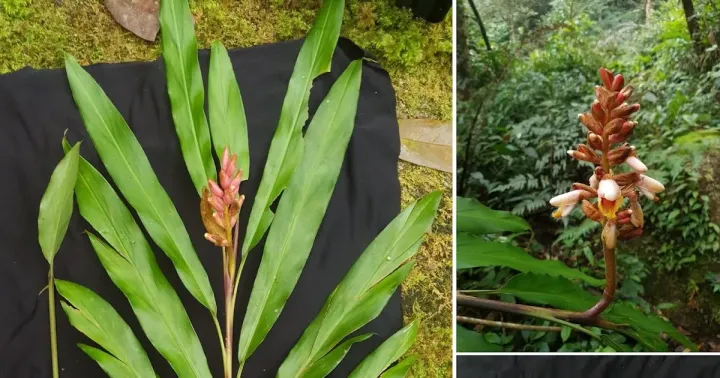
Description
Growing requirements
Alpinia nobilis is a perennial herbaceous plant classified within the Zingiberaceae family. Native to tropical regions of Southeast Asia, it is well-regarded for both its ornamental value and its potential chemical properties derived from its rhizomes.
The plant thrives in a humid, tropical environment. It requires stable temperatures typically ranging from 22°C to 28°C to maintain vigorous growth. Exposure to cold temperatures or frost can be detrimental to its survival and development.
Ideal soil for this culture should be rich in organic matter, slightly acidic, and provide excellent drainage. Water management is essential, as the plant demands consistent soil moisture but cannot tolerate waterlogged conditions which lead to rot.
In agricultural settings, cultivation is often managed in greenhouses where light intensity, humidity, and temperature can be meticulously controlled. Indirect sunlight is preferred to prevent leaf scorching, especially in younger plants.
The economic significance of Alpinia nobilis lies in its pharmaceutical and aromatic qualities. Its rhizomes are frequently extracted for essential oils, which are utilized in the manufacturing of healthcare products and aromatic compounds.
Main diseases and pests
Root rot represents the most significant phytopathological threat to Alpinia nobilis. It is primarily caused by fungal pathogens that flourish in overly wet, poorly aerated soils, leading to a rapid decline in plant health.
Spider mites are common insect pests in greenhouse environments. These tiny arachnids thrive in conditions where air humidity is low, causing chlorosis and potential defoliation if left untreated by appropriate acaricides.
Mealybugs are another persistent pest that targets the stems and leaf bases of the plant. Their feeding habits extract essential nutrients, weakening the plant and making it susceptible to secondary bacterial infections.
Leaf spot diseases, caused by various fungal species, can appear when airflow is stagnant. Maintaining good sanitation and proper spacing between plants is crucial for reducing the spread of airborne spores.
Effective pest management relies on early detection and a combination of cultural practices, such as pruning affected parts, and chemical intervention using approved horticultural pesticides when infestations occur.