
Alpinia nigra
Alpinia nigra
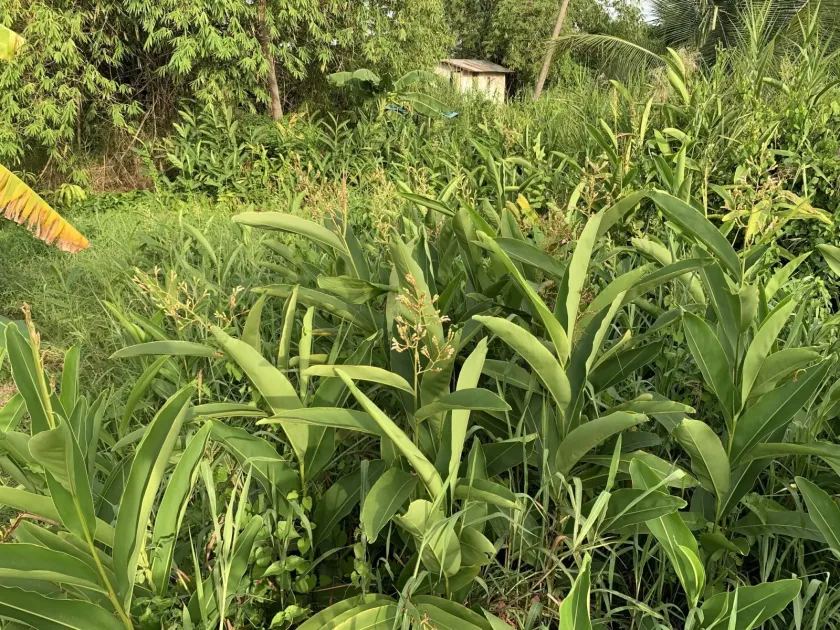
Description
Growing requirements
Alpinia nigra is a perennial herbaceous plant belonging to the Zingiberaceae family. This species is known for its robust rhizome system and tall, leafy stalks that thrive in tropical environments.
The crop requires a humid, tropical climate to flourish, with consistent temperatures being essential for the plant to reach its full vegetative potential during the growing season.
Optimal soil conditions include well-draining, nutrient-rich soils that are high in organic matter, ensuring the rhizomes can expand without the risk of waterlogging or rot.
In terms of light exposure, the plant performs best in partial shade, reflecting its adaptation to the forest floor habitats where diffused sunlight is the norm.
Agrotechnical management requires consistent moisture levels, particularly during the dry season, to maintain leaf health and promote the accumulation of essential oils in the rhizomes.
Harvesting
The primary agricultural output of Alpinia nigra is its rhizome, which is harvested for its spicy, aromatic properties, commonly used as a seasoning in traditional cuisines.
Harvesting typically occurs when the foliage begins to senesce, signaling that the plant has finished its growth cycle and the rhizomes have reached their maximum potency.
Farmers utilize manual labor to carefully extract the rhizomes from the earth, ensuring that the soil is sufficiently loosened to prevent breakage of the valued plant tissue.
Post-harvest handling involves thorough cleaning and washing of the roots, followed by a drying process to prepare the crop for long-term storage or local market distribution.
Beyond its culinary utility, Alpinia nigra is recognized for its medicinal applications, as the chemical compounds in its roots have been subject to various pharmacological studies.