
Alpinia mutica
Alpinia mutica
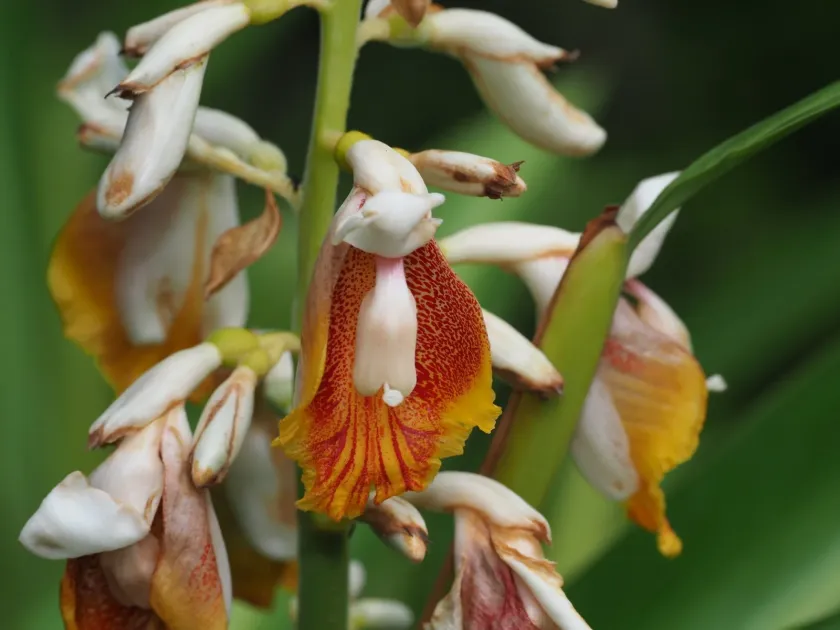
Description
Growing requirements
Alpinia mutica is a robust perennial herb belonging to the Zingiberaceae family. This species originates from Southeast Asian tropical zones, specifically thriving in the humid forest understories of Malaysia and Indonesia where it benefits from diffuse natural light.
The plant requires a warm and humid environment to reach its full development potential. Ideally, temperatures should remain consistently between 22 and 28 degrees Celsius, as the plant is highly sensitive to cold stress and frost, which can cause terminal damage to the foliage.
Successful cultivation requires soil that is rich in organic matter, well-draining, and slightly acidic. Frequent irrigation is necessary, yet it must be balanced to ensure that the rhizomes do not remain in waterlogged conditions, which is the primary cause of plant failure in non-native climates.
Botanically, the plant is characterized by thick, creeping rhizomes and tall, leafy stems that provide a dense tropical texture. The flowers are notable for their distinct shape and vibrant bracts, contributing to its status as a sought-after specimen for conservatory and tropical landscape design.
In terms of agricultural utility, Alpinia mutica is primarily utilized for its aesthetic value in landscape architecture and its secondary role in the extraction of aromatic compounds. Propagation is typically achieved through the division of mature rhizome clumps during the early stages of the growing season.
Main diseases and pests
Disease management is critical for this species, as root and rhizome rot are the most prevalent threats. These conditions are usually triggered by overwatering or compacted, poorly aerated soil substrates, requiring an immediate adjustment to the cultivation regimen.
Pest issues often involve spider mites and mealybugs, particularly when the plant is kept in indoor environments with limited airflow and low relative humidity. Proactive maintenance, including regular misting and cleaning of leaves, serves as the primary line of defense against these pests.